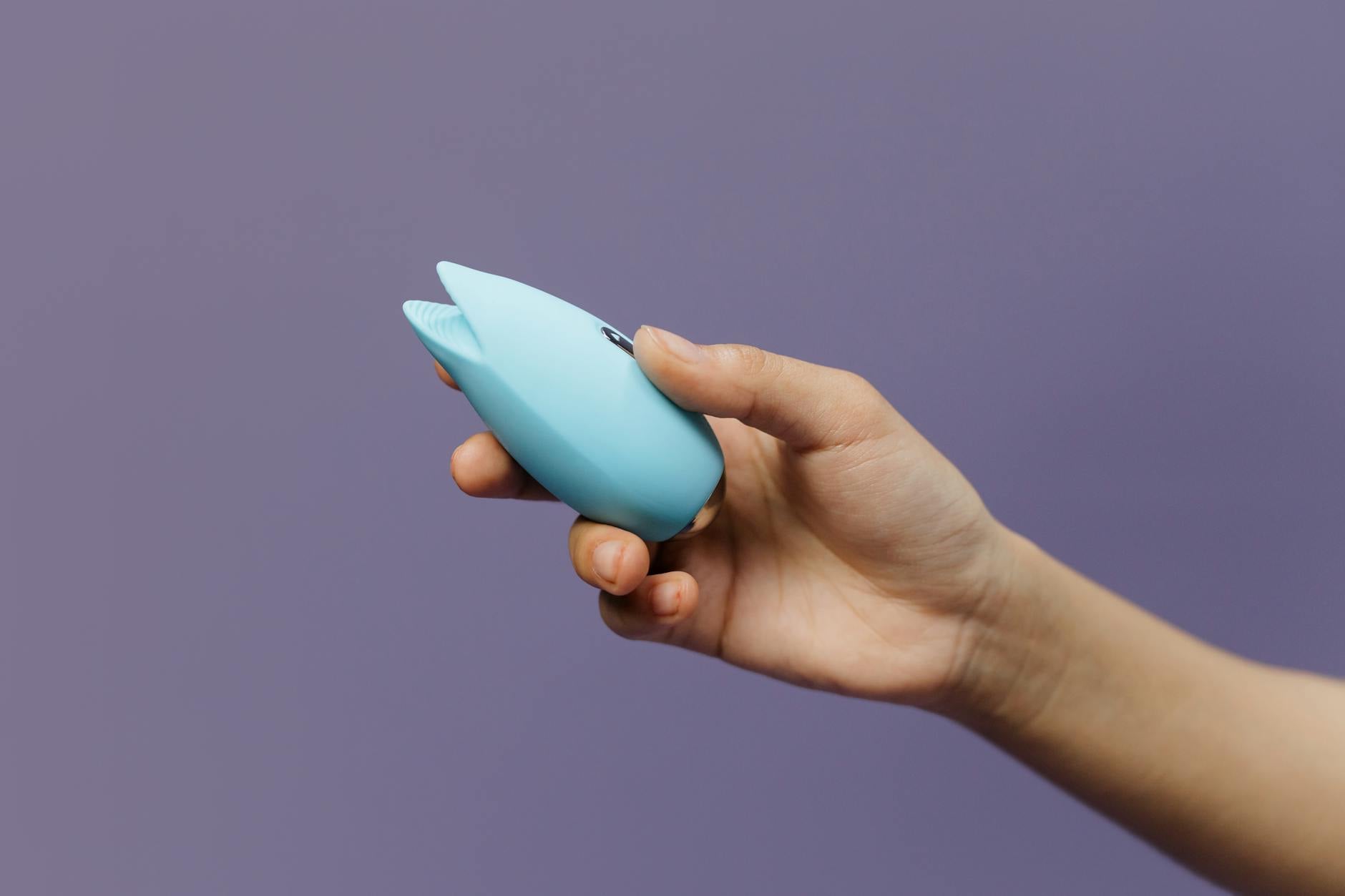
The thing nobody tells you about suction toys and lubrication
Here's the truth: lemon vibrators work differently than you might expect. They're not like traditional vibrators. They use gentle suction and pulse patterns instead of buzzing friction, which means the physics are completely different. And that changes everything about how lubricant actually works.
Water-based lube isn't a luxury or an optional extra for lemon clitoral vibrators. It's the difference between a mediocre experience and one that genuinely transforms your pleasure.
Why lemon vibrators are designed for lubricant
When you use a lemon sucker, you're not creating friction. You're creating a seal. The silicone cup of the toy needs to adhere gently to your skin to generate the suction patterns that make these devices work. Without proper lubrication, one of two things happens. Either the seal breaks repeatedly and you lose the sensation you're paying for, or the toy grips too hard and the intensity becomes uncomfortably sharp.
Water-based lubricant solves both problems at once. It allows the seal to form smoothly while giving you control over intensity. A thin layer of lube means the toy glides into position without tugging. Once it's in place, the suction builds gradually instead of jolting.
This is especially important if you're using a lemon vibrator for the first time. The learning curve drops dramatically when you have the right lubrication.
How water-based lube changes the sensation
There's a reason I recommend water-based formula specifically: it mimics your body's natural response. When you're aroused, your body produces lubrication. Water-based lube has a similar slip and feel. It doesn't feel like you're using a toy. It feels like pleasure is just happening.
Silicone-based lubes feel richer and last longer, but they damage silicone toys over time. The silicone in the lubricant softens the silicone in your toy, which degrades the material and can eventually cause small tears. Stick with water-based, and your lemon vibrator stays in perfect condition for years.
Oil-based lubricants (coconut oil, almond oil, etc.) have the same problem as silicone. They break down silicone toys. Plus, they're difficult to clean off and can interfere with condoms if you're using those.
The application technique that actually matters
Most people either use too much lubricant or too little. Too little and you get the tugging sensation I mentioned. Too much and the seal breaks constantly because there's nothing for the toy to grip.
Here's the right approach:
Step 1: Start small. Apply about a quarter-sized amount of water-based lube to the silicone cup of your lemon vibrator. Not the skin. The toy itself.
Step 2: Spread it evenly. Use your finger to distribute it around the inner cup. You want a thin, consistent layer, not a puddle.
Step 3: Add a tiny bit to your body. A drop or two directly on your clitoris. The combination creates the right slip.
Step 4: Test the seal. Before you turn the toy on, press it gently and see if it stays in place. If it slides right off, add another small amount. If it grips and doesn't slide at all, you have enough.
Once you've done this a few times, it becomes automatic. You'll feel the difference immediately.
What changes when you use the right lubricant
With proper water-based lubrication, your lemon vibrator becomes more responsive. The suction patterns feel more defined. Pulse intensity becomes smoother instead of jolty. The toy stays in place without you having to hold it, which means you can relax completely instead of managing the seal.
Many people report that they reach orgasm faster and experience more intense sensation when they use water-based lube compared to nothing. This isn't placebo. The physics are better. The toy functions as it's designed to function.
You also have more control over intensity. With lube, you can adjust the toy's position or add more liquid if you want the experience to feel different. Without it, you're stuck with whatever sensation you get on the first try.
The maintenance side nobody thinks about
Water-based lubricant is also easier to clean than alternatives. After you're done, rinse the toy under warm water and use a toy cleaner if you have one. The water-based residue washes away completely. No sticky buildup. No silicone degradation.
Silicone toys are fairly easy to care for, but they last longer and stay safer when you use the right lubricant throughout their life. If you've invested in a quality lemon clitoral vibrator, protecting that investment with proper lube is just smart.
Common lubricant questions answered
Should you use water-based lube every single time? Yes. Even if you produce plenty of natural lubrication, adding water-based lube improves the seal and the sensation.
Can you use saliva as a substitute? Technically, saliva is water-based, but it dries quickly and you'd need to reapply constantly. Real water-based lube is made to last longer and feel smoother.
What if you have sensitive skin? Water-based lubricants are the most gentle option. Look for brands that skip glycerin if you're prone to yeast infections, but most people tolerate water-based formulas beautifully.
Does lube reduce sensation? The opposite. It enhances sensation by allowing the toy to function properly. Without lube, you're actually losing the designed experience.
The bottom line on lemon vibrators and lubrication
If you're curious about trying a lemon sucker, or you already own one and haven't been happy with the results, water-based lubricant is the single easiest change you can make. It's inexpensive, it's easy to apply, and it transforms the experience immediately.
Your pleasure deserves the right setup. That setup includes the right tool and the right lubricant working together. When they do, you get to experience what these devices were actually designed to deliver.
People also ask
Can you use lemon vibrators without any lubricant?
You can, but the experience is compromised. Without lubricant, the seal forms unevenly, which means you lose the suction sensation that makes lemon clitoral vibrators unique. You'll also feel more friction and tugging than comfort. Water-based lube is a small investment that changes everything.
What's the best water-based lubricant for silicone toys?
Any water-based formula works, but look for brands without glycerin if you're concerned about yeast infections, and avoid anything with numbing agents (those dull sensation rather than enhance it). The ingredient list should be short and simple. Apply it to both the toy and your body for the best results.
How often do you need to reapply lube during use?
This depends on the amount you start with and how long you're using the toy. Most people don't need to reapply during a single session. If you're going for a longer experience, you might need a touch-up. Keep a small amount nearby just in case.
Does water-based lube work with all lemon vibrators?
Yes. Any silicone lemon clitoral vibrator works better with water-based lubricant. This includes devices that use suction, pulsing, or both. The lubrication improves the seal and the sensation regardless of the specific pattern or design.
Is it normal for lube to feel slippery?
Completely. That slipperiness is what allows the toy to glide into position without friction. Once the seal forms, you stop feeling the lube and start feeling the suction and pulse patterns. It's meant to feel slick.
What if water-based lube irritates your skin?
Try a brand without glycerin first. If that doesn't help, you might have sensitivity to preservatives. Some people do better with organic or minimalist formulas. Patch test any new lube on your inner arm before using it on sensitive skin. If irritation continues, see a healthcare provider.
Water-based lubricant makes your lemon vibrator work as it's meant to. Give it a try and notice the difference yourself. Your pleasure is worth that small, easy step.