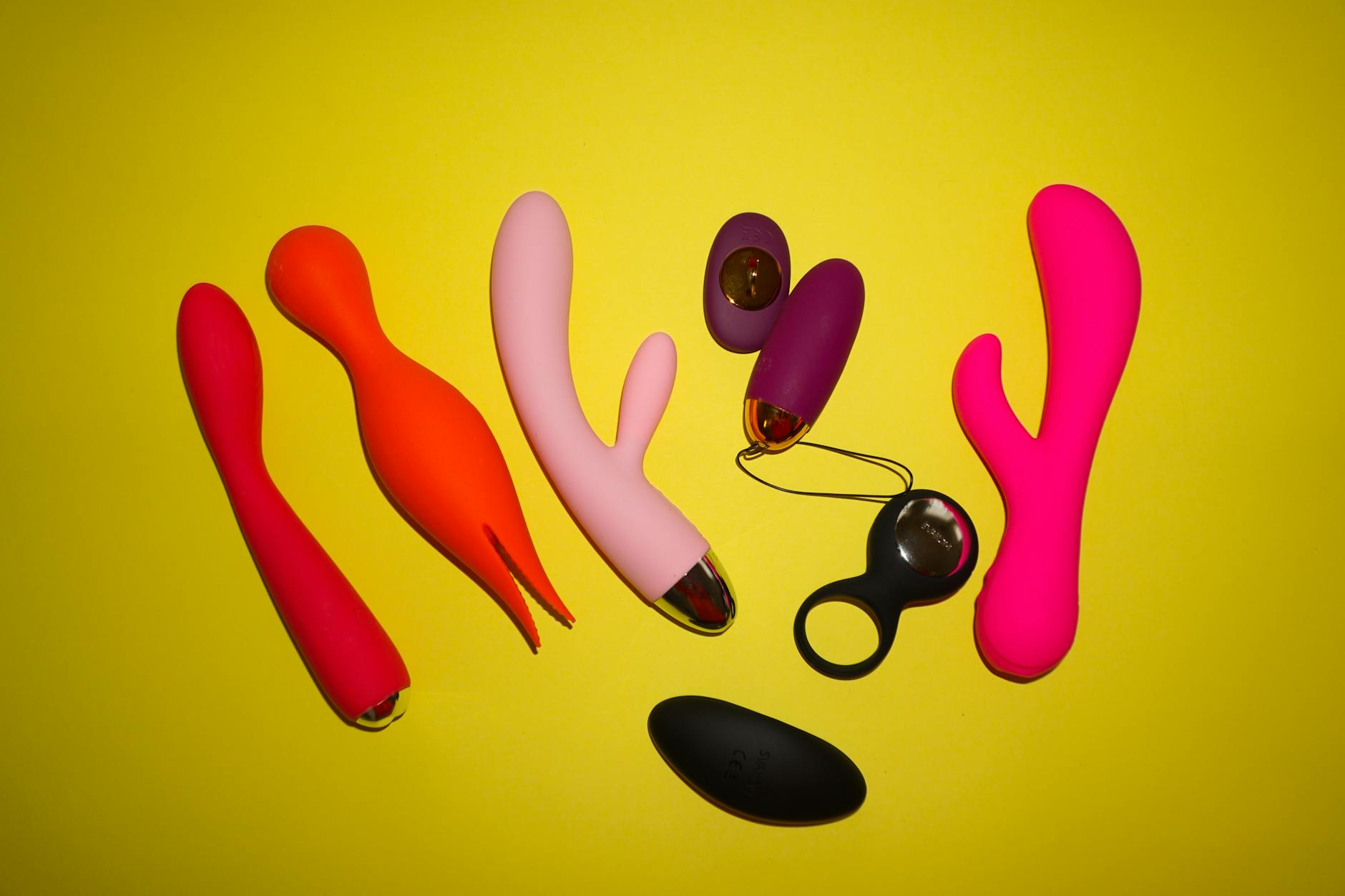
The thing nobody talks about when picking a vibrator
Most people buy a vibrator the way they'd buy a toaster. They see a review, grab the first one that sounds good, and hope it works. Then they're surprised when it either feels like a jackhammer or barely registers at all. The truth is that sensitivity varies wildly from person to person, and even from day to day on the same body.
Choosing the right lemon vibrator isn't about finding the "best" toy. It's about understanding what your nervous system actually responds to and matching that to the stimulation pattern that's going to deliver it.
Understanding your baseline sensitivity
Before you look at any lemon clitoral vibrator, you need to know your own sensitivity baseline. This isn't intuitive. Most people think "sensitive" means "easily orgasmic," but that's not quite it.
Sensitivity is about how much stimulation your nerve endings need to register pleasure. Some people's clitorises light up with a whisper of sensation. Others need more deliberate, sustained pressure. And here's the kicker: the same person can have different sensitivity on different days depending on hormone levels, stress, hydration, and what's happening in their cycle.
Start here: when you touch yourself or a partner touches you, what feels good? Is it light and fluttery? Medium pressure? Deep, sustained contact? This is your starting point. Write it down if you need to. It matters.
The difference between intensity and pattern
This is where most people get confused. Intensity is the power level. Pattern is the way the vibration moves (pulse, ramp, steady hum, waves).
You can have a low-intensity vibration with a complex, stimulating pattern. You can have a high-intensity vibration with a boring steady hum. What feels good to you isn't just about turning the dial up or down. It's about finding the right combination of both.
With lemon vibrators like the Lem, the suction technology works differently than a traditional vibrator. It creates a gentle pulling sensation rather than rapid buzzing. This matters for sensitivity because suction can feel completely different to someone who finds standard vibration too intense.
Sensitivity level one: Highly sensitive (quick response)
If you orgasm quickly and easily, or if standard vibrators leave you feeling overwhelmed or numb, you're probably highly sensitive.
For you, intensity isn't the goal. What you want is a sophisticated pattern that engages your nerve endings without bombarding them. Look for vibrators with ramping patterns (where intensity builds gradually) or pulsing options. The Lem's suction approach is particularly good here because you get sustained, building sensation without the relentless buzz that can feel numb after a while.
Start on the lowest settings. Seriously. Settings 1 and 2 on most lemon vibrators are where a highly sensitive person finds their sweet spot. You're not looking for power. You're looking for nuance. Build up from there only if you want to. Many highly sensitive people find that lower settings, used with focus and patience, deliver more satisfying orgasms than cranking it to high.
Sensitivity level two: Moderate (steady response)
If you need 10 to 20 minutes of sustained stimulation to reach orgasm, and medium vibration settings feel right, you're in the moderate zone.
For you, a mid-range lemon clitoral vibrator works well. You want enough power that you feel it working, but not so much that it becomes numbing. Settings 3 to 5 on most vibrators are your friend. You benefit from both patterns and intensity being adjustable because you can dial in what your body needs on any given day.
This is also the sensitivity level where bringing a partner into the picture gets easier. Moderate sensitivity means you have room to build sensation gradually, which gives partners time to participate and adjust pressure or angle.
Sensitivity level three: Lower sensitivity (sustained pressure needed)
If you typically need 20 to 40 minutes of intense, consistent stimulation, you're lower on the sensitivity spectrum.
Don't hear that as bad. It's just information. It means you need vibrators that deliver genuine power and can sustain it without burning out. Higher settings matter. Consistent patterns matter more than novelty. This is where having a reliable, well-built lemon vibrator pays off because you're using it hard and for longer sessions.
You also benefit from patterns that don't change. The constant ramp-up and down of some fancy patterns can be frustrating when what you need is steady, reliable pressure. Simpler is often better for lower sensitivity.
What stimulation preference actually means
Stimulation preference is separate from sensitivity. It's about what kind of sensation you want, not how much you need.
Do you want focused pressure in one spot, or broader, more diffuse sensation? Do you want rapid, buzzy vibration, or slower, deeper pulses? Do you prefer consistent sensation or patterns that change? Do you want something that feels like a person, or something that feels like a tool?
With lemon vibrators, the suction-based approach appeals to people who want broader, more skin-to-skin sensation without the intense pinpoint vibration. It's gentler on tissue, works well with less lubrication, and for many people feels more natural than a traditional vibrator.
Choosing between the styles
If you've never used a suction-style toy, a lemon clitoral vibrator is worth trying. The difference between suction and vibration is stark enough that it might open up sensations you haven't found with other toys.
If you know you love broad, sustained pressure and rhythmic pulses, suction might be your preference. If you want very precise, intense stimulation in one focused area, a traditional vibrator might feel better. But here's the thing: many people find they like both for different reasons.
Consider your body's preferences over the past month. What worked? What didn't? Were there patterns? Use that to guide your choice. If you've been enjoying slow builds and sustained pleasure, look toward lower-intensity, longer-session options. If you like quick, intense orgasms, you can handle higher-intensity settings and more aggressive patterns.
Solo versus partnered use changes everything
Your ideal vibrator for solo play might differ from what works during partnered sex.
When you're alone, you can take exactly as long as you need. When there's a partner involved, timing matters. Some people want the vibrator to help them get there faster. Others want it to add sensation to partnered touch without taking over.
If you're using a lemon vibrator with a partner, lower sensitivity and medium intensity often work best because there's room for hands and bodies to participate. If you're going solo, you can be more specific. You can explore exactly what your body wants without worrying about someone else's rhythm.
The testing approach
If you're buying your first lemon sucker or upgrading from something that wasn't working, here's what actually helps: start low, go slow, and pay attention to what's happening in your body.
Don't judge a toy in the first use. Your body needs time to understand new sensations. What feels weird on day one might feel amazing on day three. Give it at least three to five sessions before deciding it's not right.
Pay attention to what time of your cycle you test it. Sensitivity genuinely fluctuates. If you test during your period and hate it, try again mid-cycle before giving up. You might find it works better then.
Common mistakes when choosing
Buying the most expensive toy thinking price equals better sensation. Nope. The most expensive lemon vibrator isn't necessarily the best one for your body.
Assuming high intensity is always better. It's not. High intensity is great if that's what you need, but if you're highly sensitive, it can be overwhelming and actually make orgasm harder to reach.
Ignoring pattern options. A vibrator with adjustable patterns is almost always better than one with a fixed pattern, because your needs change.
Not thinking about material. Silicone feels different than other materials. Texture matters. If you've had a toy that felt wrong against your skin, that's real information. Use it.
Why lemon vibrators specifically
The lemon sucker approach means you're getting sensation from suction and gentle pulsing rather than rapid vibration. This appeals to people with higher sensitivity because it's less likely to cause numbness. It also appeals to people who want sensation to spread across a wider area rather than focusing on one pinpoint.
If you're someone who finds traditional vibrators leave you numb, or if you want something that feels different from what you've tried, a lemon clitoral vibrator is worth exploring. It's a genuinely different technology, which means it might unlock sensations you haven't found yet.
FAQ
What if I'm not sure whether I'm highly sensitive or moderate?
Pay attention to your last few solo sessions. How long do they typically take? Are you overwhelmed by sensation easily, or do you need a lot to feel it? Does your body tense up when something feels too intense, or does it go numb? These are better guides than guessing. If you're genuinely stuck, start with mid-range intensity and adjustable patterns. You can always turn it down or up from there.
Can I use the same lemon vibrator for both solo and partnered play?
Absolutely. Many people do. The key is communicating with your partner about what you want. Some couples use it as a solo warm-up before partnered sex. Others use it during partnered sex. There's no wrong way, as long as you're both on the same page.
Does sensitivity change over time?
Yes. Hormones shift it. Stress shifts it. Age can shift it. This is why having a vibrator with adjustable intensity and patterns is useful. Your preferences might change, and you want something flexible enough to grow with you.
What if my partner wants to use the vibrator on me but I'm worried it'll feel wrong?
Talk about it first. Tell them your sensitivity level, what feels good, and what doesn't. Start low. Let them learn how your body responds. The combination of their touch and the vibrator can feel completely different than using it solo, and that's not always bad. It can be better. Give it time.
Is it normal for orgasms to feel different with a vibrator than without one?
Completely normal. Different stimulation creates different sensations. Some people prefer vibrator orgasms. Others prefer manual or partnered touch. Many people like both for different reasons. Neither is better. They're just different.
How do I know if a lemon clitoral vibrator is right for me?
If you've found traditional vibrators too intense, felt numb, or want a different sensation, try one. If you like the idea of broad, sustained pressure and gentle suction rather than rapid buzzing, it's worth testing. If you've had good experiences with your current toy, you might not need to switch. Trust what you already know about your body first.
What comes next
Choosing a lemon vibrator is less about finding the perfect toy and more about understanding your body well enough to make an informed choice. Start by knowing your sensitivity, then match that to what you're actually looking for. Give yourself permission to experiment. Your pleasure matters, and you deserve a toy that actually works for you.
If you have questions about specific products or how to use them with a partner, we're here to help. Get in touch at /contact and let's figure out what's right for you.