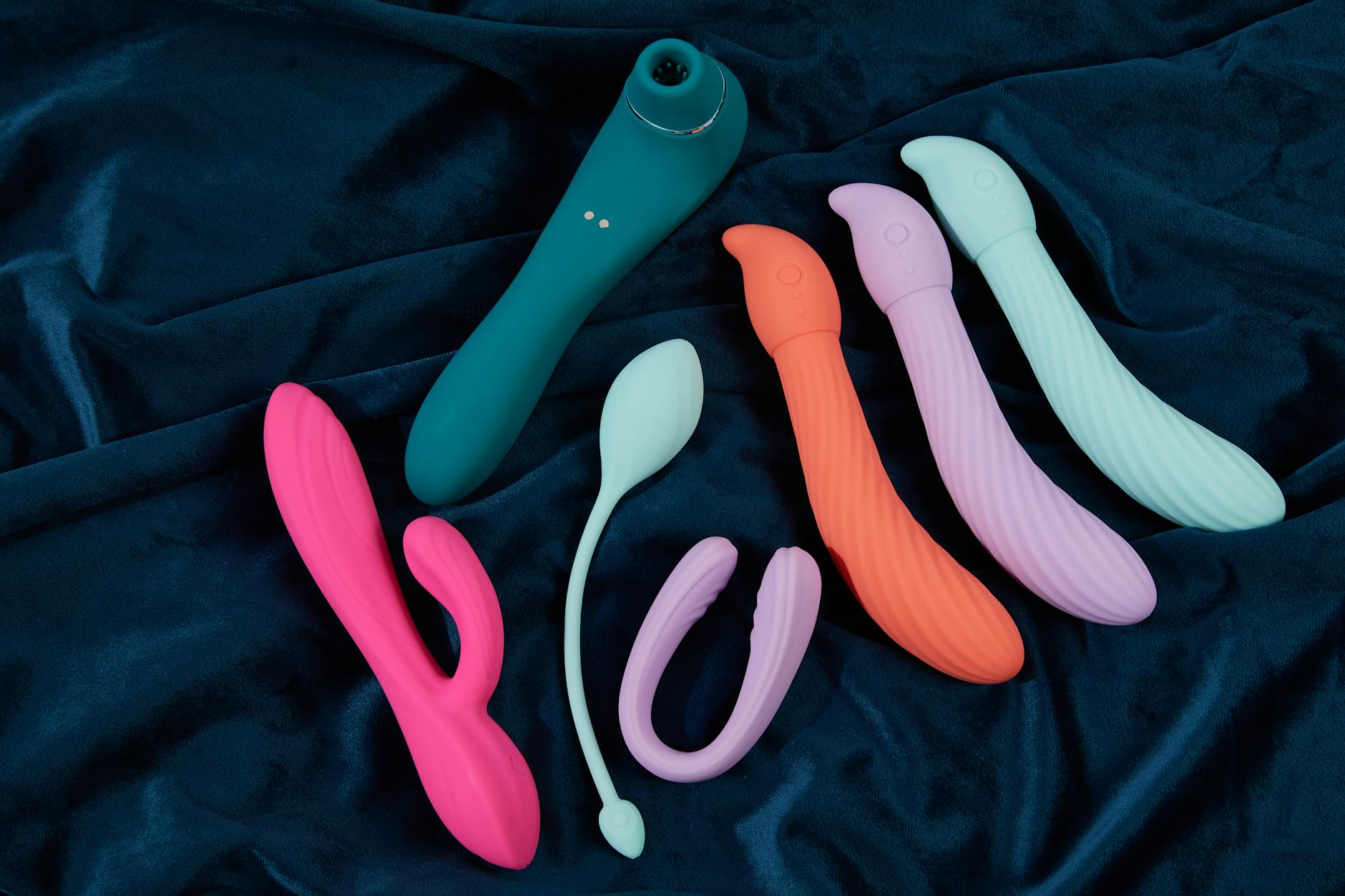
How to Use Lemon Vibrators During Perimenopause When Hormones Shift
Your body's response to pleasure changes during perimenopause. Here's how to adapt your technique, timing, and expectations with a lemon clitoral vibrator.
Perimenopause is messy. Your cycle isn't gone, but it's not predictable either. One month you're fine. The next you feel like your body belongs to someone else. And if you've been using a lemon vibrator happily for years, suddenly it might feel different, less responsive, or weirdly intense in spots you didn't expect.
This isn't a sign you're broken. Your hormones are literally fluctuating week to week in ways they never have before. That changes blood flow, tissue sensitivity, arousal speed, and how your nervous system processes sensation. The good news? You don't have to abandon pleasure. You just need to adapt.
Perimenopause typically spans 8-10 years before your last period. During this time, estrogen doesn't drop steadily. It swings wildly. One week your estrogen is high and your body feels responsive and familiar. Days later, it plummets and everything shifts.
Here's the physiology: estrogen affects blood flow to the vulva, the thickness of vaginal and clitoral tissue, and how quickly arousal builds. When estrogen is higher, you might notice that a lemon clitoral vibrator feels just right. When it drops, that same device might feel too intense, or paradoxically, not intense enough. Progesterone, which also shifts erratically during perimenopause, affects your overall energy, mood, and desire itself.
The clitoral nerve endings don't change during perimenopause. Your capacity for pleasure is still there. What's different is the biological context in which pleasure happens.
One of the biggest surprises I hear from people in perimenopause is that arousal takes longer to build. This isn't psychological. This is blood flow.
When estrogen is higher, blood vessel function is more efficient. Arousal can build in 5-10 minutes. When estrogen drops, it might take 20-30 minutes. This isn't failure. This is just a different timeline.
Many people using a lemon vibrator during perimenopause make the mistake of jumping in at the same speed they always have. Then they're frustrated because the response isn't there. If you add an extra 15 minutes of foreplay, external touching, or even just mental warm-up, your body catches up.
The beautiful thing about a lemon clitoral vibrator is its nuance. You can use it in ways you can't with a traditional vibrator. Here's how to dial it in during hormonal flux:
Start lower than you think you need. If you typically use pattern 3 or 4, begin at 1 or 2. You can always turn it up. With fluctuating hormones, your tissue sensitivity varies. Sometimes pattern 2 will feel perfect. Sometimes you'll want to go higher. You'll know better than any formula.
Use more lube, always. This isn't optional during perimenopause. Even if you never needed it before, do it now. Water-based lubricant changes the sensation profile of a lemon vibrator, making it feel smoother and less jarring on tissue that's less estrogen-supported. The suction mechanism works better with lubrication too.
Slow your approach down. Try hovering the lemon vibrator near the clitoris without direct contact first. Let the sensation build gradually. This works with your body's slower arousal arc instead of fighting it.
Experiment with angle and pressure. During higher estrogen phases, direct pressure might feel amazing. During lower phases, try angling the device slightly or using lighter contact. A lemon clitoral vibrator's smaller head makes this kind of adjustment easier than larger toys.
Most people don't track how their response changes across the perimenopause cycle, but I'd encourage you to pay attention. Some find they feel most responsive in the week after their period ends (when estrogen is climbing). Others notice sensitivity peaks mid-cycle.
This isn't about restriction. It's about working with your body instead of being confused by it. If you know that the week before your period typically means you want a longer warm-up and lighter intensity with your lemon sucker, you can plan around that rather than being frustrated when it doesn't perform the way it usually does.
Your hormones aren't the only thing changing. Perimenopause often arrives with other life events. Your relationship dynamic might be shifting. Your stress load might be heavier. Your body image might feel unstable.
All of this feeds into pleasure. I've worked with many clients who assumed their lemon vibrator was the problem when actually their stress level had tripled. If you're not feeling responsive, sometimes the fix is physiological (adjust your technique, add lube, extend warm-up time). Sometimes it's relational (reconnect with your partner, reduce stress, address body image anxiety).
Sometimes perimenopause hormones are so erratic that even a well-adjusted lemon vibrator routine feels unpredictable. Here are strategies I recommend:
Pair your vibrator with a different sensation. Try combining your lemon clitoral vibrator with external heat (a heating pad on your lower belly or against your body), which improves blood flow and arousal speed. Or pair it with touch, music, or a partner's attention. This isn't a workaround for a broken system. It's adapting your whole approach to your whole reality.
Build micro-sessions into your week. Instead of expecting one monthly intense session, spend 10-15 minutes a few times a week with your lemon sucker, even if it doesn't lead to orgasm. This helps your nervous system stay familiar with pleasure and keeps sensitivity up. It's also lower pressure, which helps when anxiety about "will this work" is high.
Track what actually works. Note the timing (how many minutes in before you felt responsive), the phase of your cycle (if you're still cycling), your stress level that day, and what pattern/intensity you used. After a few weeks, patterns emerge. This data is gold.
If your sensation completely disappears for weeks at a time, that's worth a conversation with a gynecologist, especially if you're also experiencing hot flashes, insomnia, or major mood shifts. Sometimes hormone balance shifts enough that temporary support (like transdermal estrogen patches, which have minimal systemic impact) can help. You don't have to white-knuckle your way through perimenopause.
If pain appears, don't wait. Perimenopause can sometimes bring new sensitivities or mild genitourinary changes. These are treatable, usually with topical solutions.
Yes, because your body's hormonal context is different. Estrogen fluctuations change blood flow and tissue sensitivity. A lemon clitoral vibrator might feel perfect one week and overstimulating the next. This isn't a flaw in the device. It's your body communicating that it needs a different approach. Most people find that extending warm-up time, using more lube, and starting at lower intensity settings resolves the difference.
Absolutely not. Regular use of your lemon vibrator during perimenopause can actually help maintain sensation and arousal capacity. Consistent gentle stimulation supports blood flow and nerve responsiveness. The key is adapting your technique, not abandoning it.
This varies wildly. On high-estrogen weeks, you might still hit arousal quickly. On low-estrogen weeks, add 10-20 minutes. I usually suggest adding 15 minutes to your baseline and seeing how that feels. You're not failing. Your body just needs a different runway.
Yes. Some people find sensation is actually heightened during their period because of increased blood flow. Others find it uncomfortable. You'll know your body best. Many find that using a lemon clitoral vibrator during their period actually helps with cramping and tension. Can you use lemon vibrators during your period has more detail on this.
Often yes, but not always to exactly the way it was. Post-menopause, your baseline shifts, but many people find their most satisfying orgasms come after hormones stabilize because the unpredictability is gone and they can focus. During perimenopause, you're in transition. Once you're through it, sensation typically settles into a new normal that many find works beautifully with a lemon sucker.
Don't immediately assume you need more intensity. First, try less. Try slower. Add 10 minutes to your warm-up. Use more lube. If numbness persists across multiple weeks, how to recover sensitivity after using lemon vibrators regularly covers reset strategies. But also check your stress level, sleep, and whether you're in a low-estrogen phase of your cycle. Numbness during perimenopause is often a sign your body needs more runway, not a sign that your device has stopped working.
Adapting your lemon vibrator use during perimenopause isn't compromise. It's attunement. You're learning to listen to your body in real time instead of expecting it to perform the same way it always has. That's actually a superpower, not a loss. Many people find that once they stop fighting the changes and start working with them, pleasure becomes richer, more intentional, and more reliably satisfying than it was during the predictable hormone years.
Your body isn't broken. Your hormones are just writing a new chapter. Let your lemon clitoral vibrator evolve with you.