Here's what nobody tells you
The couples who come to my office saying "we can't talk about sex" usually aren't actually avoiding the conversation. They're avoiding the emotional minefield they think comes with it. One partner worries admitting desire means they're selfish. The other assumes mentioning pleasure tools means they're failing. Both are terrified of being rejected. And because the stakes feel so high, they say nothing at all.
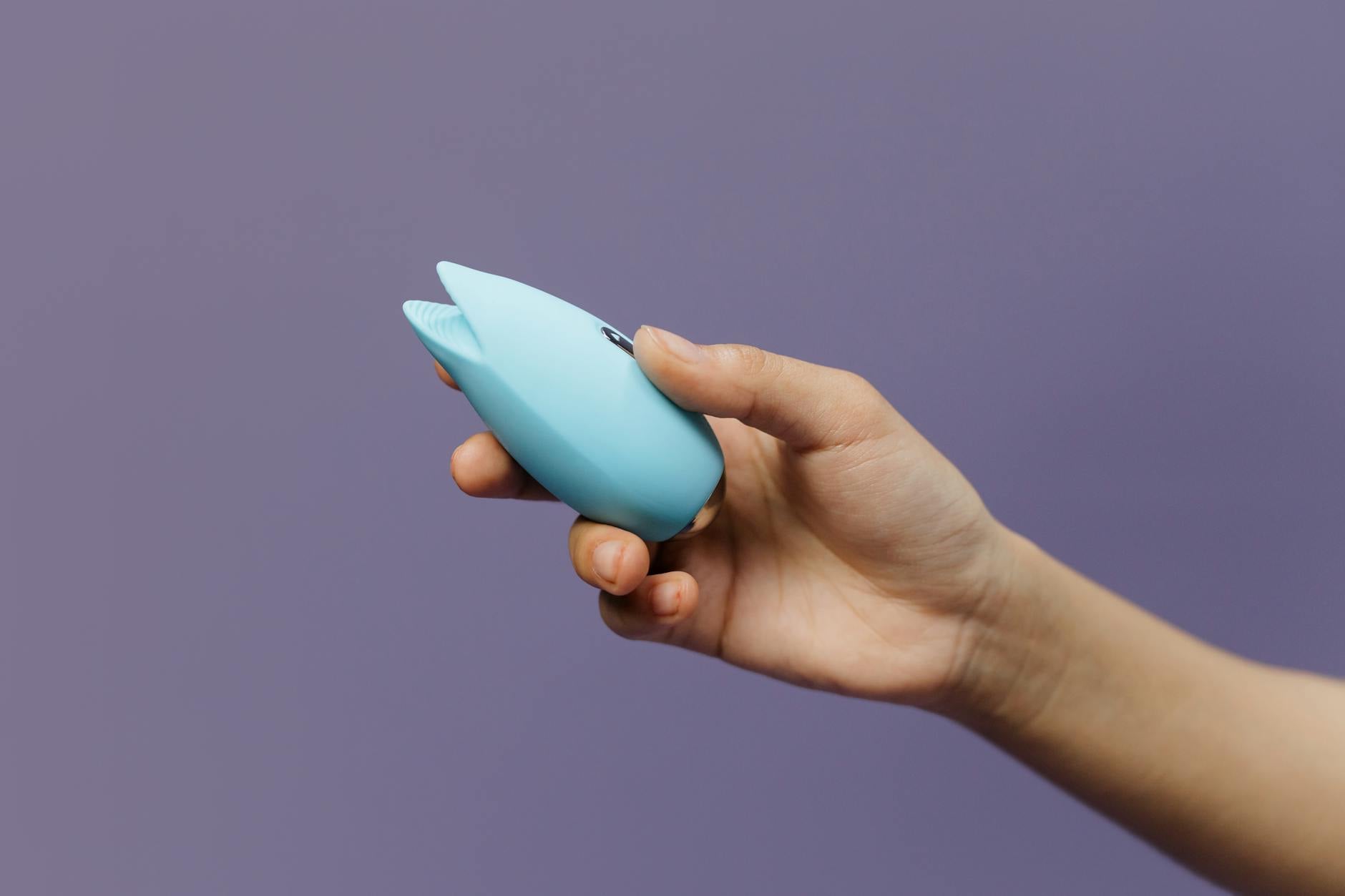
But here's the thing. Sometimes the conversation doesn't start with words. Sometimes it starts with showing your partner something. And lemon vibrators, specifically, are one of the most graceful ways to crack that door open.
Why pleasure tools are actually communication tools
When you hand your partner a lemon clitoral vibrator or suggest using one together, you're not just introducing a toy. You're saying "I trust you with this" and "my pleasure matters to me" and "I want us to explore this together." All without a single awkward sentence.
This matters because talking about sex, for most people, activates a deeper vulnerability than talking about money or even serious relationship problems. Sex talk forces you to make claims about what you want, what you like, what your body needs. Those claims feel riskier than discussing logistics.
A tool sidesteps some of that. It's concrete. It's external. It becomes the thing you're both learning about together, rather than a referendum on whether you're attracted to each other or whether one of you is broken.
The three barriers communication usually hits
First, there's the shame layer. Many people grow up with the message that wanting pleasure is greedy or unfeminine or desperate. Even as adults, that voice doesn't quiet. Saying "I want better orgasms" feels like bragging. Saying "I want to try something new" feels like criticism of what you've been doing.
Second, there's the rejection fear. If you ask for something and your partner says no or acts uncomfortable, the sting goes deeper than a simple refusal. It can feel like they're rejecting your desire itself, not just the specific tool.
Third, there's the assumption of expertise. Many people believe their partner should already know what they want. If you have to ask for a clitoral vibrator or a different approach, it means you failed to make them want it. It means the magic is gone. These beliefs are false, but they're loud.
Why lemon vibrators are different
Lemon clitoral vibrators have a particular advantage in this situation. They're designed for suction-based stimulation, which means they feel genuinely different from fingers or traditional vibrators. That difference gives you something concrete to talk about.
Instead of saying "I want more pleasure," you can say "I've read that this style of toy works differently, and I want to try it." Instead of making it personal, you make it practical. You're exploring a technique together, not announcing that your partner has been failing to satisfy you.
Second, lemon adult toys are specifically designed for gentler, more targeted stimulation. If your partner has been worried about hurting you or has sensed reluctance on your part, this tool can feel safer to both of you. It's not aggressive. It's precise. It's about quality over intensity.
Third, and this matters, lemon sexual toys are small enough and discreet enough that they don't feel like a production. You're not wheeling out equipment. You're introducing something that feels intimate and intentional, not like you're turning your bedroom into a clinic.
The conversation starter that actually works
Here's what I tell couples in my practice. Don't lead with the tool. Lead with curiosity.
Instead of: "I want to use a vibrator because you're not doing it right," try: "I read about this tool that works differently. I'm curious what it would feel like. Would you be open to trying it with me?"
The second version makes it collaborative. It's not a complaint dressed up as a request. It's an invitation to explore something together.
Then, show your partner. Let them hold it. Explain how it works. If you're nervous, say that. "I've been shy about bringing this up because I wasn't sure how you'd react. But I really want us to figure this out together."
That honesty, right there, often does more than any tool can. You've just modeled vulnerability. You've told them the truth: you care about their response, and you care about your pleasure.
What happens after you introduce it
Many partners are relieved. Seriously. They've been worried about "doing it right" too. A tool that gives you both clearer feedback, that lets you see what works, that takes some of the pressure off the performance aspect. That's often what they needed too.
Your partner may not be immediately enthusiastic. That's okay. The point isn't to pressure them into excitement. It's to open the door to a conversation. "What made you hesitant?" "Is there something specific that felt uncomfortable?" "What would make you feel more open to it?"
These questions invite them in, rather than making the tool a test of whether they care about you.
Some partners will ask to be part of the process. They'll want to hold the lemon vibrator, choose the setting, be present. Others will prefer to step back and let you explore on your own. Both are valid. The point is you're negotiating rather than assuming.
When communication is healing, not just practical
Here's what I've seen happen over and over in my practice. A couple introduces a lemon clitoral vibrator because they're struggling to talk about pleasure. Within a few weeks, they're talking about other things too. Deeper things. The vibrator becomes a symbol that it's okay to want things, to ask for them, to be specific about them.
Once you've said "I want to try this tool and I want you to be part of it," other conversations feel smaller. "I'd like us to spend more time on foreplay." "I miss feeling close." "Can we make sex a priority again?" These things come easier once you've already cracked the seal on vulnerability.
Lemon adult toys are tools, yes. But they're also permission slips. They're a way of saying to your partner: my pleasure matters, your pleasure matters, we can figure this out together, and awkwardness is temporary but connection is real.
The practical setup that reduces friction
If you're still nervous, here's a framework. Choose a time when you're both relaxed and clothed. Not right before sex, not after a fight, not when you're already in the bedroom with expectations hanging in the air.
Maybe you're having coffee. Maybe you're on a walk. Pull it out casually. "I ordered something I want to try, and I wanted your thoughts first."
Let them examine it. Let them ask questions. Then, you could say: "I'd like to try it sometime soon. I'm not sure exactly when, but I wanted to give you time to think about it."
That's not ambush. That's respect. It gives them time to process, to get curious instead of defensive.
When you do use it together, start slow. You might use it solo first while they're present, so there's no pressure on their body or performance. Let them see what happens. Pleasure is contagious. Seeing your partner experience something real, something that visibly works, often shifts a partner's entire relationship to the tool.
What happens if they still resist
Sometimes a partner will say no, and that no will feel final. That's a different conversation, and it's worth having. Not angry, but honest.
"When you say no to this, I feel like you're saying no to my pleasure. What's actually going on?" Maybe there's shame in their background too. Maybe they have a specific concern that's not about you. Maybe they need reassurance that this doesn't replace intimacy with them.
Those conversations are harder. But they're the ones that need to happen. And they're conversations lemon vibrators have a way of opening up, because the tool itself removes ego from the equation.
People also ask
What if my partner thinks a vibrator means I'm not satisfied with them?
That's the fear talking. Reassure them: a tool isn't a replacement, it's an addition. You don't stop holding hands because you drive a car. You drive because walking everywhere takes longer. Same principle. A lemon clitoral vibrator gets you to a specific kind of pleasure faster or more reliably. That's not a referendum on them.
Should I use the lemon vibrator alone first, or with my partner?
Both are valid. Some people feel more confident introducing it after they've used it alone and know what to expect. Others feel more connected introducing it together from the start. There's no wrong answer. Go with what feels braver but still manageable for you.
How do I bring it up without sounding like I'm criticizing our sex life?
Focus on expansion, not repair. "I want us to have even better pleasure together" lands differently than "our sex life needs fixing." You're not saying something is wrong. You're saying you want more of something right.
What if we've been married for years and never talked about this?
It's never too late. The longer the silence has gone on, the more loaded the first conversation might feel. But that's also why it matters. You're saying: I want to know you better, and I want you to know me. That's the opposite of comfortable stagnation.
Can a lemon vibrator actually fix a dead bedroom?
No tool can fix a dead bedroom on its own. But it can be the catalyst for the conversations that do. If you're not touching at all, if you're not talking, if there's resentment in the relationship, a vibrator is a band-aid. You might need to address the actual disconnection first. A therapist might help there.
Is it okay if my partner wants to choose the lemon vibrator together?
Absolutely. That's actually beautiful. It means you're making it a joint decision. Some couples find that shopping together, reading reviews together, choosing the color together. That whole process is relationship-building. There's no rule that says you have to buy it and surprise them. Shared choice can be more intimate than surprise.
Moving forward
Lemon clitoral vibrators aren't magic. They can't save a relationship or force communication that people aren't ready for. But they can create an opening. They can be the concrete thing you point to when words feel too big or too risky.
Your pleasure matters. Your partner's response to your pleasure matters too. And the conversation between those two things is worth having. Sometimes it starts with talking. Sometimes it starts by showing your partner a tool and saying: let's figure this out together.
If you need more support navigating relationship communication around pleasure, or if deeper issues are at play, consider reaching out. You don't have to figure this alone.