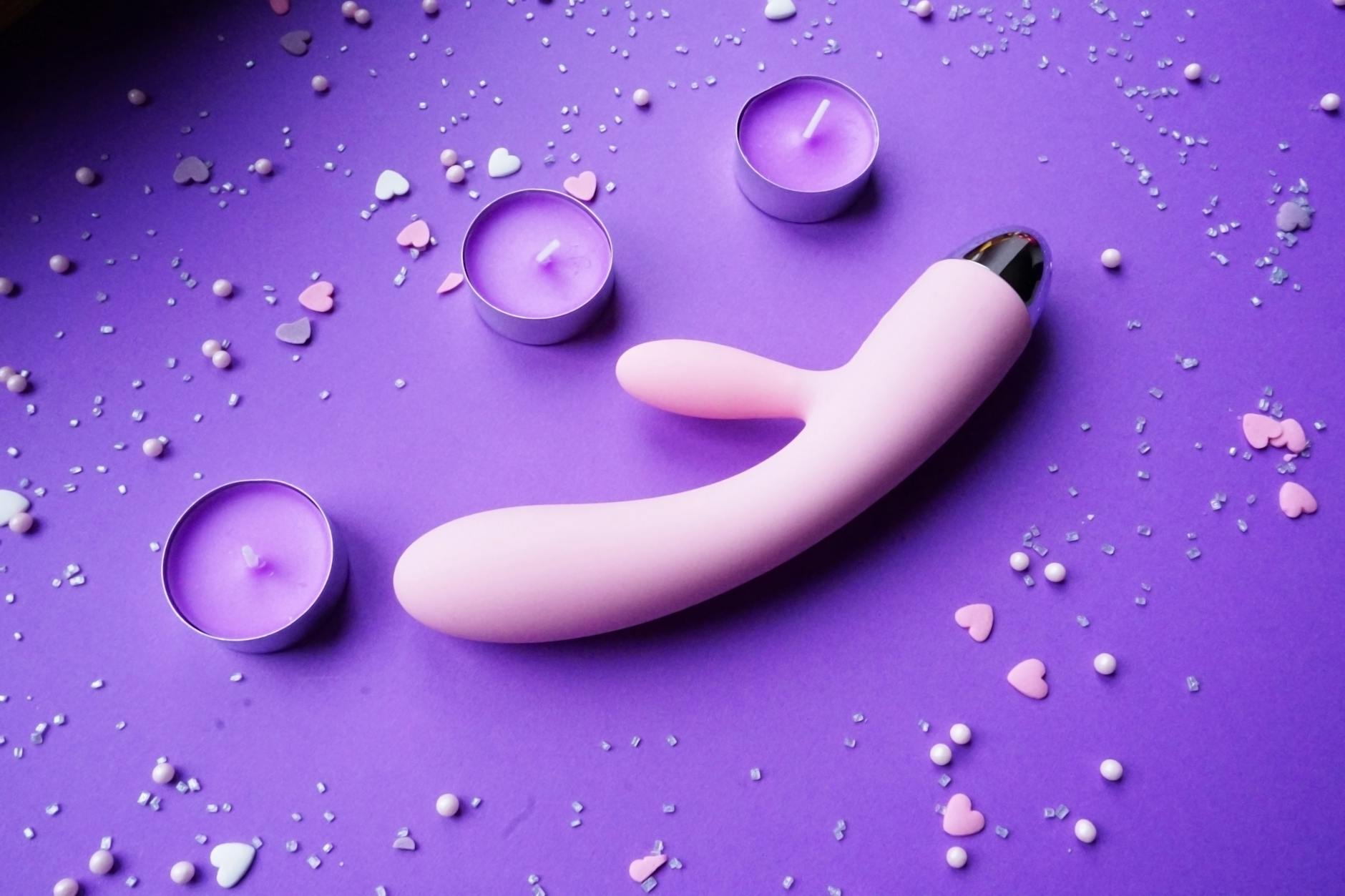
Let's be real about trauma and arousal
When someone breaches your trust, your body remembers. Arousal requires vulnerability, and vulnerability feels dangerous after you've been hurt. That's not a flaw in your wiring. That's your nervous system doing exactly what it's supposed to do.
Here's what I see in my practice: people who've experienced emotional betrayal or relationship trauma often feel their libido vanish entirely. Then they panic, assuming it's permanent. It's not. But it also won't return on its own timeline, and forcing it usually makes things worse.
Lemon vibrators can help bridge that gap. Not by magicking away the trauma, but by giving you a way to explore arousal alone, at your pace, without the vulnerability that partnered sex demands.
Why emotions matter more than anatomy
Arousal is not just physical. It's about 70% psychological. Your brain has to feel safe before your body will respond. After relationship trauma, your brain is on high alert, scanning for danger. Even if your partner is trustworthy now, your nervous system doesn't believe it yet.
This is why traditional vibrators sometimes fail. They're efficient machines that expect a straightforward response. But if your body is stuck in protective mode, efficiency doesn't help. You need something gentler, something that lets you ease in at whatever pace feels right.
Lemon clitoral vibrators work differently. The suction and rhythm they create feels less invasive than direct vibration. It's a gentler way to wake up sensation without demanding immediate, full arousal.
The nervous system reset
Trauma lives in the body. Your vagus nerve, your pelvic floor, your entire autonomic system gets trained to stay guarded. Rebuilding arousal means slowly, gently retraining your nervous system to recognize safety and pleasure as compatible.
This takes weeks, sometimes months. And it works better when you separate it from performance or partnership expectations entirely.
Here's what I recommend to clients starting this work:
Use a lemon vibrator alone, in a space where you control every variable. Not your bedroom (too many memories). Maybe a bathroom, a guest room, or even a car (parked, obviously). Choose somewhere that feels neutral or actively good.
Start with no goal. Not "I want to orgasm." Just "I'm going to spend 15 minutes noticing what feels okay right now." Some days that might be five minutes. That's fine. Your body needs permission to go slowly.
Begin at the lowest setting. The Lem vibrator has multiple patterns, but for this work, start with pattern one. Let your clitoris adjust to sensation on its own terms. Notice if your pelvic floor tightens. If it does, pause and breathe. Take 30 seconds and try again.
Managing intrusive thoughts
One of the sneakiest parts of arousal after trauma is that unwanted thoughts crash the party. Your body starts to respond, and then suddenly you're remembering something painful, and arousal just stops.
This is common. It doesn't mean you're broken. It means you need a tool for redirecting attention without judgment.
Lemon vibrators help because the sensation is strong enough to hold your focus. It's not overwhelming, but it's present. If intrusive thoughts show up, that's your cue to pause, breathe, maybe step away for a few minutes. You're not failing. You're learning the difference between "my body wants this" and "my brain is protecting me."
If thoughts keep hijacking the experience, consider working with a trauma-informed therapist at the same time you're exploring this. Therapy and solo pleasure work together, not instead of each other.
The pelvic floor connection
Trauma tightens the pelvic floor. It's like your body is bracing for impact, even when the threat is gone. A tight pelvic floor makes arousal harder because the muscles can't relax enough to let sensation in.
Using a lemon vibrator slowly, with no pressure to come, actually helps release that tension. You're not forcing an orgasm. You're gradually teaching your muscles that sensation can exist without danger.
If you notice your pelvic floor gripping hard, pause the vibrator. Place one hand on your lower belly and breathe into it for a minute. Then resume at an even slower pace. This isn't a workout. It's a conversation with your own body.
When to involve a partner
Eventually, you might want to share this experience with someone again. Don't rush it. The timeline is yours alone.
When you're ready, here's what works: use the lemon vibrator on yourself first, alone. Get comfortable with your own arousal. Then, in a later session with a partner, start by using it alone while they're present but not touching you. They're just there, nearby, no pressure.
This lets your partner see that pleasure exists, that your body still works, and that you're taking ownership of your own experience. Then, much later, you might invite them to hold it with you. Or not. There's no script here.
The goal is reclaiming autonomy. Everything else is bonus.
Choosing the right tool for this work
Not all vibrators feel the same after trauma. Some people find traditional vibration too harsh on an already-heightened nervous system. That's where the design of lemon clitoral vibrators becomes important. The suction-based stimulation feels more like a massage than a buzzing intensity.
If you've never used a lemon vibrator before, how to start using lemon vibrators if you've never tried one will walk you through the basics. For trauma recovery specifically, start with the gentlest setting and build from there.
Managing shame
Here's a thought that comes up constantly: "Is it weird that I need to do this alone? Shouldn't I want my partner?" No. And it's not weird.
Reclaiming pleasure after betrayal isn't about your partner. It's about your nervous system. It's about learning that your body is still yours, that sensation is still available to you, and that you get to decide how fast or slow this goes.
Shame has no place here. You don't owe anyone access to your arousal. Not even a partner who's been patient and loving. Pleasure is a fundamental part of your autonomy, and rebuilding it alone first is actually the smartest thing you can do.
The timeline is nonlinear
Some weeks you'll use a lemon vibrator and feel responsive and present. Other weeks, it'll feel like nothing. Both are normal. Healing isn't a straight line.
If you have a session where arousal feels completely absent, resist the urge to push harder or use a stronger setting. Your body might just be telling you it needs rest. Listen. There's no deadline here.
FAQ: Arousal, trauma, and pleasure recovery
How long does it take for arousal to come back after relationship trauma?
There's no universal timeline. Some people notice shifts in 4-6 weeks. Others take 6 months or longer. It depends on the depth of the trauma, whether you're getting professional support, and your own nervous system's pace. The key is consistency without pressure. Using a lemon vibrator once a week, alone and without expectation, is more useful than occasional intense efforts.
Can lemon vibrators retraumatize me?
It's possible if you push too fast or use them in a way that triggers memories. That's why starting alone, at low settings, in a neutral space matters. If at any point the experience feels unsafe or intrusive, stop. There's no award for pushing through. Healing is about listening to your body's signals, not overriding them.
Should I tell my partner I'm using a vibrator for trauma recovery?
That depends on your relationship and comfort level. Some partners find it reassuring to know you're actively working on reconnecting with pleasure. Others might feel insecure. You don't owe transparency about your solo pleasure work, but honesty about your emotional journey usually helps rebuild trust. "I'm working on feeling safe again in my body" is different from "I'm using a vibrator," and the first conversation is the one that matters.
What if I feel nothing when I use the vibrator?
Numbness or anhedonia (the inability to feel pleasure) is common after trauma. It doesn't mean the vibrator isn't working or that something's wrong with you. It means your nervous system is still in protection mode. Keep showing up, keep using it gently, and if numbness persists for months, bring it up with a trauma-informed therapist. Sometimes EMDR, somatic therapy, or other modalities help unlock sensation in a way solo practice can't.
Can I use a lemon vibrator if I'm also in therapy?
Absolutely. In fact, it's ideal. Your therapist is helping you process the trauma cognitively and emotionally. A lemon vibrator helps you rebuild the somatic, embodied experience of safety and pleasure. They work together.
Is it normal to have grief or sadness come up while using a vibrator after trauma?
Very normal. As your nervous system settles and sensation returns, emotions that were locked in your body often come up too. You might cry, feel angry, or just feel sad. Don't stop. Sit with it. Crying during or after pleasure is not a sign something's wrong. It's a sign something's healing.
Moving forward
Reclaiming pleasure after relationship trauma isn't about returning to how things were before. It's about building something new, something that's entirely yours. A lemon vibrator is just a tool. The real work is learning to trust your body again.
That takes time. It takes gentleness. It takes showing up for yourself even when it feels hard. But it's worth it. Your pleasure matters. Your body matters. And you deserve to feel good again, on your own terms.
If you're struggling with this process or feel stuck, reaching out to a trauma-informed therapist or relationship coach can make a real difference. You don't have to do this alone. You can contact Hello Nancy for support or find a qualified professional in your area.