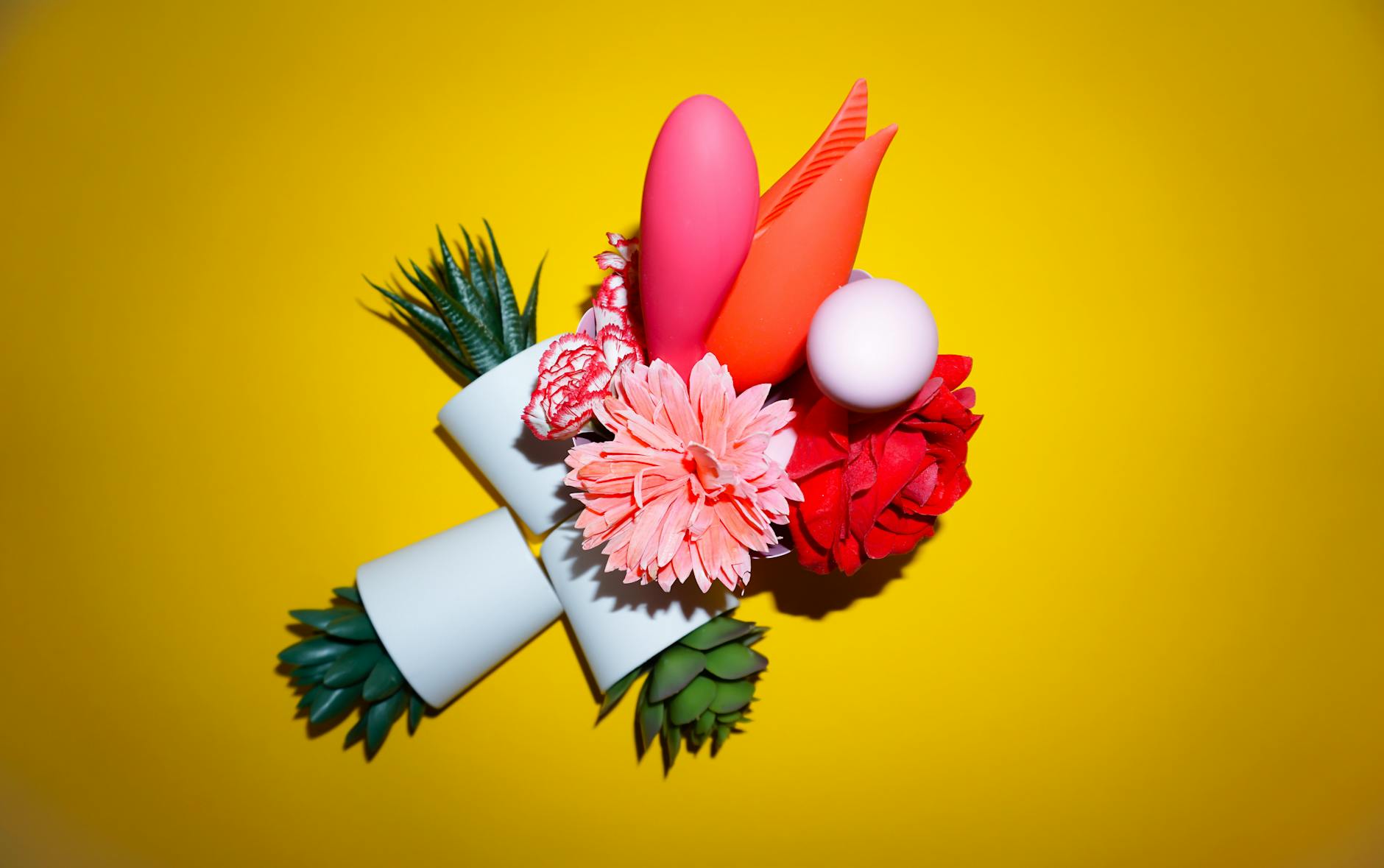
Vaginal atrophy makes tissue thinner, drier, and more fragile. Your clitoris gets more exposed nerve endings packed into less resilient tissue. That means it can feel raw, oversensitive, or even painful when touched the way it used to feel good. Then there's the emotional layer: years of discomfort can train your nervous system to brace against pleasure instead of moving toward it.
Most vibrators work by friction or rapid pulse. When your clitoral tissue is compromised, friction becomes painful and pulse-based stimulation can feel like a hammer against exposed nerve endings. Lemon clitoral vibrators work differently. They use gentle suction and compression instead of direct vibration, which means the stimulation spreads across a wider surface area and doesn't concentrate all the force on already-tender tissue.
Think of it this way: a traditional vibrator is like tapping on bruised skin. Lemon suction is like a slow, even pressure that wakes up sensation without wounding it. For atrophied tissue, this distinction is not academic. It's the difference between painful and pleasurable.
Before you start any pleasure practice with atrophied tissue, talk to your doctor about topical estrogen. Vaginal estrogen cream (like Estrace or a generic equivalent) rebuilds tissue thickness in 2 to 4 weeks and costs around $15 to $50 out of pocket. It has minimal systemic absorption, which means your body doesn't treat it like hormone replacement therapy. If estrogen-based treatment isn't an option for you, vaginal DHEA (Prasterone) is another evidence-based route.
You don't have to choose between medical treatment and pleasure. They work together. Topical estrogen restores tissue resilience. Lemon vibrators restore sensation and confidence. Both matter.
With atrophied tissue, arousal takes longer to build, and that's completely normal. Your blood vessels need more time to bring blood to the area, and your body needs reassurance that touch is safe. Budget 20 to 30 minutes before you even consider introducing the lemon clitoral vibrator. Start with hand touch, a partner's hands, or a softer external stimulator. This isn't foreplay padding. It's nervous system permission.
When you do introduce your lemon vibrator, begin on the lowest setting. Most lemon suction toys have 3 to 5 intensity levels. Start at level 1. Spend a full session just acclimating to level 1. Your nervous system needs to learn that this sensation is safe, and your tissue needs time to wake up without shock.
Atrophied tissue produces less natural lubrication, so external lubricant isn't optional. It's infrastructure. Use a water-based lube generously. Silicone lubes feel richer and last longer, but they can degrade silicone toys, so stick with water-based. Reapply every 5 to 10 minutes. Dryness isn't a sign you should stop. It's a sign the lube layer has worn thin.
If you're using a partner or penetrative play alongside your lemon vibrator, make sure the lube covers both the toy and your external tissue. Chafing ruins the entire session and can set back tissue healing.
Here's the framework I recommend to most clients with atrophy and sensitivity:
Week one. Level 1, five to ten minutes, three times a week. No goal except to notice what the sensation feels like. No pressure to orgasm.
Week two. Level 1 or 2, ten to fifteen minutes, three to four times a week. You can start experimenting with angles and placement.
Week three. Level 2, fifteen to twenty minutes, as frequently as feels good. This is when most people start feeling consistent pleasure.
Week four onward. Gradually introduce higher levels as your tissue responds and your confidence builds. Some people never go higher than level 2 or 3, and that's fine. Your clitoris doesn't care about settings. It cares about what feels good.
This isn't a rigid timeline. If you're still in week one after three weeks, stay there. Pleasure can't be rushed. The point is to rebuild your nervous system's trust in sensation one layer at a time.
Direct contact on the clitoral glans (the tip) often feels too intense with atrophied tissue. Aim for the hood or the side shaft instead. The skin there is slightly thicker, the nerve density is different, and the sensation reads as pleasure instead of rawness.
If you're using the lemon vibrator solo, lie flat on your back with a pillow under your hips to tilt your pelvis slightly. This reduces tension in your pelvic floor and gives you a stable angle. If you're with a partner, they can hold the toy while you direct them to the exact spot that feels best. Verbal communication during this phase isn't pillow talk. It's essential feedback.
Atrophy often comes paired with pelvic floor tension. Your muscles clench because the tissue is uncomfortable, and the clenching makes the discomfort worse. Before you use your lemon vibrator, spend two to three minutes breathing deeply and consciously relaxing your pelvic floor. A simple cue: imagine your pelvic floor muscles are an elevator slowly descending from the fifth floor to the ground floor over the course of a full exhale.
Many people find that this one relaxation step transforms the entire experience. Your clitoris can't fully respond to pleasure when the muscles around it are braced and tight.
If you feel sharp pain, burning, or raw tissue sensation during or after use, stop and give your tissue a break. One or two days off is fine. When you restart, go back to week one protocols and move forward more slowly. If pain persists beyond a few sessions, check in with your doctor. Pain signals are important data. They're not failure.
Mild discomfort in the first few uses is normal. Your tissue is waking up. Actual pain is different, and it deserves attention.
If you have a partner, this transition can actually deepen intimacy if you frame it right. Instead of "my body doesn't work the way it used to," try "I'm learning what my body needs right now, and I want you there with me." Let your partner hold the lemon vibrator. Let them see what angles and speeds light you up. This isn't about fixing a problem. It's about rebuilding pleasure as a shared exploration.
Many couples report that this phase of intentional, slower touch reignites a kind of presence they'd lost in years of automatic routine.
If you've read our piece on lemon clitoral vibrators and sensitive tissue, you already know that suction-based stimulation distributes force more evenly than vibration. For atrophied tissue, this is crucial. The lemon design also concentrates stimulation on the external clitoris without requiring internal penetration, which is often uncomfortable when tissue is compromised.
Lemon suction toys also give you genuine control over intensity through their suction levels. You're not stuck with "vibration on" or "vibration off." You're working with graduated pressure that you can adjust in real time.
One of the most common worries I hear: "Will my clitoris stay numb forever?" The answer is almost always no. Tissue responds to consistent, gentle stimulation. As you work through this protocol and as estrogen therapy (if you're using it) rebuilds tissue thickness, sensation returns. The timeline varies, but most people report noticeable improvement within 3 to 6 weeks.
Your clitoris has thousands of nerve endings. Atrophy doesn't destroy them. It just temporarily mutes the signal. Regular, careful stimulation turns the volume back up.
You might not orgasm the first time you use a lemon vibrator with atrophied tissue. You might not orgasm for the first few times. That's okay. The goal is sensation, safety, and rebuilding your nervous system's relationship with pleasure. Orgasm is a byproduct, not the mission. Once you've spent a few weeks reacquainting yourself with what feels good, orgasm usually returns naturally.
Some people find that orgasms feel different post-atrophy. Shallower, or more concentrated, or faster. That's not worse. It's just different. Your body has changed, and your pleasure is allowed to change with it.
Start with topical estrogen first. Once you've used it for 2 to 3 weeks and your tissue begins to rebuild, then introduce the lemon vibrator at the lowest setting. Pain is a signal that tissue needs healing, not stimulation. Give your body that time.
Three to four times per week is ideal for the first month. This gives tissue time to recover between sessions while building consistent sensation. After that, as frequently as feels good—daily is fine if you're enjoying it and not experiencing pain or irritation.
No. Gentle, consistent stimulation actually helps rebuild tissue by increasing blood flow to the area. The key word is gentle. You're not using high intensity. You're using low intensity over extended time, which is exactly what atrophied tissue needs.
Yes. Atrophied tissue produces less natural lubrication, and the external lube layer protects your tissue from any friction, even minimal. Water-based lube every session is the standard practice.
Both work. Solo first lets you learn your own preferences without the dynamic of pleasing a partner. But if your partner is present and supportive, having them hold the toy while you guide them can actually deepen trust and connection. Start with whichever feels safer.
The lemon suction design itself is what matters. Look for adjustable intensity levels (at least 3), a soft silicone body, and a design that lets you target the side shaft or hood rather than direct clitoral contact. Our buying guide walks through the specifics of different lemon models and which ones work best for sensitive tissue.
Atrophy is common. Pleasure after atrophy is absolutely possible. What you're doing by relearning your body's response is rebuilding not just physical sensation but also confidence and trust in your own pleasure. That takes patience, but it's worth every minute.