Let's talk about the part nobody mentions
Surgery changes your relationship with your body. It doesn't end your sexuality, but it does shift what's comfortable, what's safe, and what feels good. The weird gap between "cleared for activity" and "actually ready to feel pleasure again" is real, and nobody warns you about it.
I've worked with clients recovering from everything: pelvic floor surgery, hysterectomy, cesarean delivery, abdominal procedures, even breast surgery. The common thread isn't the specific procedure. It's the question: when can I actually reclaim this part of myself?
With the right information and tools like lemon vibrators, the answer is sooner than you think. But "sooner" doesn't mean "right now." It means a thoughtful, gradual return that respects your healing timeline.
Understanding the healing window
Your doctor probably gave you a clearance date. "You're cleared for sexual activity after six weeks." That's real information, but it's incomplete. Medical clearance means your incisions are closed and basic movement is safe. It doesn't mean sensation is normalized, swelling is gone, or your nervous system has fully recalibrated.
The first 2-4 weeks post-procedure are about absolute rest. Don't use lemon vibrators or any sexual toy during this window. Your body is genuinely healing, and adding stimulation can complicate that.
Weeks 4-8 is the middle zone. You might feel better, but tissues are still tender. If your surgery was pelvic-adjacent (hysterectomy, C-section, vulvovaginal procedures), external stimulation only. No penetration, no internal pressure.
After 8 weeks, most bodies are ready to explore external pleasure again. That's when a lemon clitoral vibrator becomes genuinely useful. But the key word is explore. This isn't the same as pre-surgery pleasure.
Why sensation feels different during recovery
Three things are happening in your nervous system right now.
Swelling and inflammation. Even after you feel mostly normal, tissues can still be inflamed microscopically. That means sensation gets muted. What used to feel intense now feels distant. This is temporary, but it's disorienting.
Nerve sensitivity. Depending on your surgery, some nerves might be irritated, numbed, or hyperactive. You might have phantom sensations, oversensitivity to touch, or complete numbness in surprising places. This remaps over weeks and months.
Anxiety. Your body just went through trauma, even if it was planned and medically necessary. Your nervous system is on alert. Arousal and relaxation live in the parasympathetic nervous system, which is basically offline during recovery. You can't logic your way past this. You have to wait for it to settle.
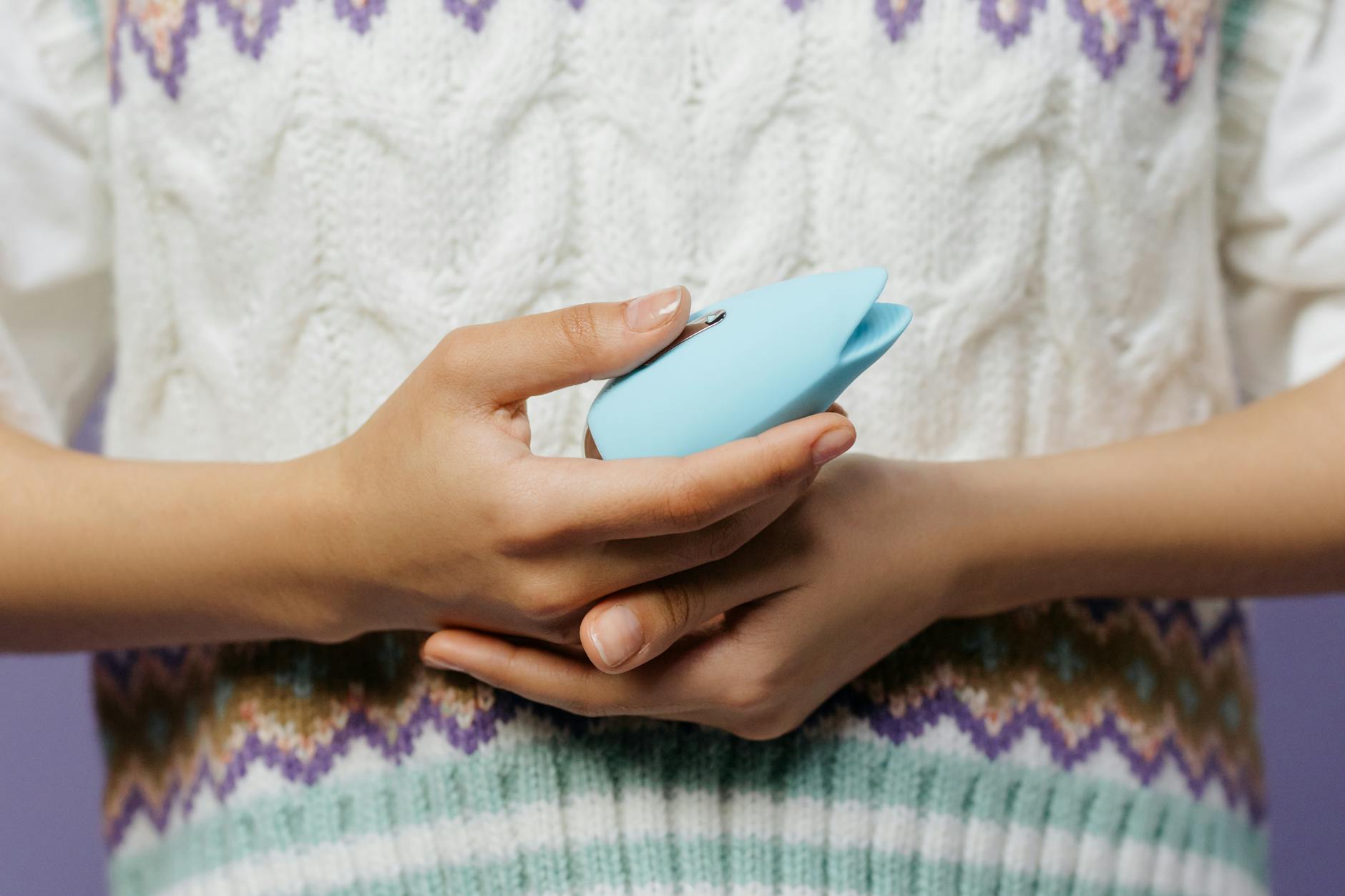
Lemon vibrators are useful because they do one job: deliver consistent, gentle stimulation without requiring you to generate arousal first. You don't have to "get in the mood." You just turn it on and let sensation guide you.
The safe re-entry protocol with lemon clitoral vibrators
Here's what I recommend to clients ready to explore pleasure during recovery.
Wait for the green light. Get written clearance from your surgeon before trying anything. "Cleared for intercourse" typically includes external stimulation, but ask specifically. If you had a hysterectomy, cesarean, or abdominal surgery, get explicit approval. If you're uncertain, email your surgeon's office. They'd rather answer this question than see you in the emergency room.
Start with the absolute lowest setting. If you're using a lemon clitoral vibrator, begin on pattern 1 or 2. Not because you're damaged, but because your nervous system is still recalibrating. Low stimulation lets you explore without overwhelming healing tissue.
Use external contact only. During the first 2-3 weeks of exploration, keep all stimulation above the vulva. Clitoral suction toys like lemon vibrators are perfect for this because they work on the clitoral hood and external tissue, nowhere near incisions or healing internal structures.
Keep sessions short. Aim for 5-10 minutes max, especially in weeks 8-10. Pleasure creates blood flow, which is actually good for healing, but too much too soon can trigger soreness or swelling.
Stop if you feel pain. Pressure, soreness, sharp sensation, or sudden swelling means stop. Not "push through." Stop, cool down, and wait another week before trying again. Pain isn't productive during recovery. It's your body saying "not yet."
Navigating sensation weirdness
You might feel nothing, or you might feel everything too intensely. Both are normal.
If sensation feels muted: This usually passes by week 12. The numbness is often nerve inflammation, not permanent damage. In the meantime, you can gently explore what you do feel. Sometimes pleasure comes from unexpected places during recovery. Pay attention to that.
If sensation feels hypersensitive: Your nervous system is triggered. Go slower, lower the intensity, and take longer breaks. Some clients find that a few minutes of gentle stimulation once every 3-4 days works better than daily exploration. Listen to what feels sustainable, not what feels "normal."
If pleasure feels emotionally complicated: Surgery often mixes grief, vulnerability, and weird disconnection from your body. Pleasure can amplify those feelings. That's not a problem with you or the toy. It's your mind and body processing what happened. Reaching out to a therapist during this window can help you untangle pleasure from trauma processing.
The lubrication question
During recovery, use lubrication liberally, even for external stimulation. Surgery can temporarily affect natural lubrication, and even if you're producing enough, lube reduces friction against potentially tender tissue.
Stick with water-based lube. It's compatible with lemon vibrators and any other silicone toy, and it won't interfere with healing. Reapply as needed. Lube isn't a sign of something wrong. It's a sign of something smart.
The partner conversation during recovery
If you have a partner, this is worth discussing. Not as pressure to perform, but as logistics and reassurance.
Say something like: "I'm starting to explore pleasure again as I heal. It might look different than before. I might need to stop suddenly. I need you to trust that my body's timeline is real, not something I'm choosing."
Then actually stop if you need to. Your partner needs to see that "I'm done" means "I'm done," not "convince me." Trust, during medical recovery, is built by your body keeping its own boundaries.
Some partners want to be involved in exploration. Some want to give you space. Both are fine. But clarity matters. Vagueness creates pressure, which kills pleasure every single time.
Returning to partnered pleasure
If you had pelvic or internal surgery, full penetration might take 12-16 weeks. That's not failure. That's biology.
In the meantime, lemon vibrators are genuinely valuable for partnered pleasure. Your partner can hold it while you guide. You can use it solo while they watch or touch you elsewhere. The tool removes pressure from their body and puts control in yours, which is exactly what recovery needs.
External pleasure, during this window, often feels more sustainable than penetration anyway. Your nervous system isn't ready for that kind of intensity. Clitoral stimulation is focused, predictable, and you can stop instantly. That matters.
Timeline expectations
Week 8-10: External exploration only, very low intensity. Maybe 10% of what you used to do.
Week 12-16: Gradually increase intensity if sensation is normalizing. Pay attention to swelling or soreness the next day. If you're sore, you went too far.
Week 16+: Most bodies have recalibrated significantly. You might not be "back to normal," but normal is being redefined anyway. Pleasure is usually richer after you've had to consciously rebuild it.
Some clients take 6 months to feel fully integrated. Some take 3. There's no wrong timeline. Your body knows how to heal. Your job is to not rush it.
When to get professional support
If persistent pain shows up during or after pleasure exploration, contact your surgeon. If numbness hasn't improved by week 16, mention it at your follow-up. If you're feeling disconnected from your body or anxious about sexuality post-recovery, a pelvic floor physical therapist can help. Most insurance covers it, and it's genuinely transformative.
You're not damaged. You're healing. And healing bodies deserve patience, good tools, and permission to take the time they need.
People also ask
How soon after surgery can I use a lemon vibrator or clitoral vibrator?
Wait for explicit clearance from your surgeon, typically 8-12 weeks post-procedure. Even then, start with external contact only and the lowest intensity setting. Your body is still healing microscopically, even if you feel fine. Gentle exploration beats aggressive pleasure during recovery.
Can I use lemon clitoral vibrators if I have internal stitches or internal incisions?
Not during early recovery. Stick to external stimulation only until your surgeon confirms that internal tissue is fully healed. For most abdominal or pelvic surgeries, that's at least 12 weeks. External clitoral vibrators are perfect for this window because they stay above the vulva entirely.
What if pleasure feels uncomfortable or painful after surgery?
Stop immediately. Pain during recovery isn't "good pain." It's information that something isn't ready. Wait another 1-2 weeks and try again with lower intensity. If pain persists across multiple attempts or increases over time, contact your surgeon. Persistent pain might indicate scar tissue, infection, or nerve irritation that needs professional assessment.
Can my partner help me use a lemon vibrator during recovery?
Absolutely. Partner involvement can actually reduce pressure and anxiety. Just be clear about what you're comfortable with, get explicit about boundaries, and make sure your partner knows that "stop" means stop, not "convince me." Control should stay with the person whose body is healing.
Will my sensation ever feel normal again after surgery?
Yes, but "normal" might be redefined. Most people report that sensation returns and sometimes feels even more intense than before. The 3-6 month window is where real recalibration happens. Numbness, hypersensitivity, and weirdness are all temporary. Your nervous system is genuinely resilient.
Is it normal to feel emotionally weird about pleasure after surgery?
Completely. Surgery mixes grief, vulnerability, and body disconnection. Pleasure can amplify those feelings because it requires you to be present in your body. That's not a problem. It's actually an invitation to process what happened. Therapy during this window can help you untangle pleasure from trauma processing so you can enjoy both.
Your body is healing. Your pleasure matters. Take your time, use good tools like lemon vibrators, and trust that sensation comes back when it's ready. Most of the time, it comes back better than before.