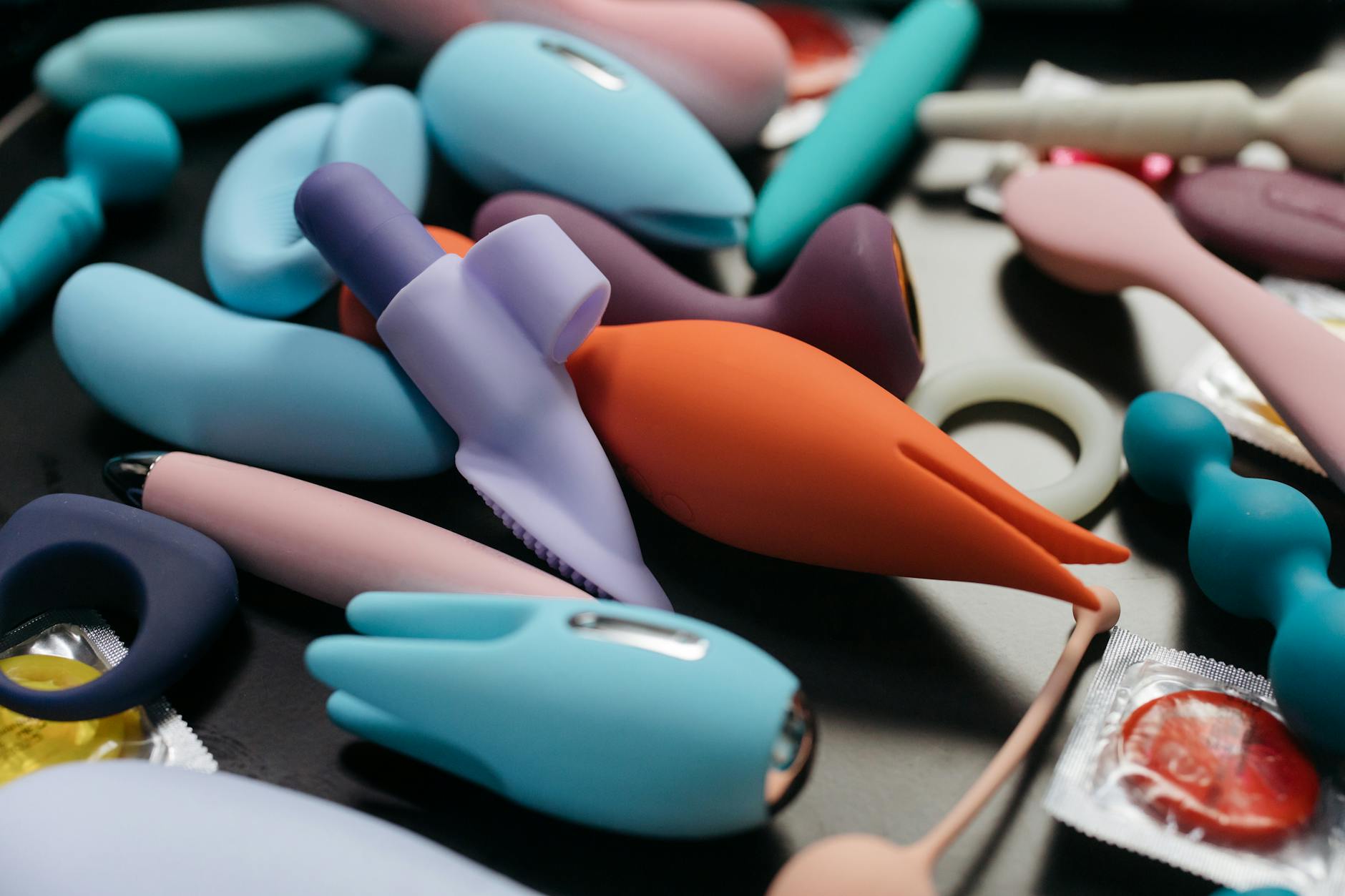
Here's the thing about friction sensitivity
Let's be real. You've probably tried a vibrator that felt amazing for exactly two minutes, then turned into sandpaper on sensitive skin. That's friction sensitivity, and it's wildly common. The clitoris has over 8,000 nerve endings packed into a tiny space, which means it's capable of extraordinary sensation. It also means it can go from pleasured to overwhelmed in seconds.
The usual advice is to use lube, slow down, or accept that penetration is your only option. But there's a third path that most people don't know about: suction-based stimulation. Unlike traditional vibrators that work through rapid back-and-forth friction, lemon vibrators use gentle suction to engage nerves differently. It's not a workaround for friction sensitivity. It's a completely different mechanism of pleasure.
I've worked with dozens of clients who thought their sensitivity meant they couldn't use toys at all. Once they switched to suction-based lemon vibrators, their entire experience changed.
Why friction feels so different from suction
Understand the biomechanics first. When you use a traditional vibrator, you're applying direct pressure and movement across the skin surface. The vibration travels through tissue, which amplifies sensation across a wider area. For sensitive skin, that spreading effect can feel too intense or even painful.
Suction works on the principle of gentle pulling. A lemon clitoral vibrator creates a soft seal and draws sensitive tissue upward into the mouth of the device. This engages the clitoris without the lateral friction that causes pain. The stimulation is concentrated and direct, but the mechanism is completely different.
Think of it this way: friction is like scratching. Suction is like a soft kiss that's gently pulling. Both can be intense. Only one of them feels abrasive on sensitive skin.
The nerve response is different too. Direct friction activates surface nerves. Suction activates deeper nerve clusters in the clitoral body. That's why many people with friction sensitivity report that suction-based lemon vibrators feel less like vibration and more like focused pleasure. It's not hitting the same nerves that feel raw.
When friction sensitivity shows up
Friction sensitivity isn't one thing. It shows up differently depending on the cause.
Some people have naturally sensitive skin. The clitoris is just more reactive. That's not a problem or a defect. It's a nervous system characteristic. A suction-based approach like a lemon vibrator can feel immediately better because it bypasses the friction altogether.
Others develop friction sensitivity after shaving or waxing. Removing hair changes how the skin responds to touch. The hair usually provides a protective buffer. Without it, the exposed skin feels raw for days or weeks. If you shave regularly, this might be exactly why you reach for your vibrator and immediately regret it.
Medicine can cause friction sensitivity too. Some antidepressants, birth control, and hormonal medications make skin feel thinner or more tender. The tissue still has full sensation, but direct pressure feels like too much. Suction is often gentler because it's not applying pressure across the surface.
Injury or surgery to the vulva can leave temporary sensitivity. After gynecological procedures, laser treatments, or even aggressive waxing, the area needs time to heal. Friction that would feel fine on healthy tissue can feel painful on tissue that's still recovering. A lemon clitoral vibrator designed for suction means you can still explore pleasure during recovery without risking the healing tissue.
Hormonal changes matter. Lower estrogen thins genital tissue, which increases friction sensitivity. This is common during perimenopause and after menopause, but also during breastfeeding and in people on certain medications. The tissue is literally thinner, so friction affects more nerve endings. Suction-based lemon vibrators work beautifully here because they engage sensation without relying on resilient, thick tissue.
How to use a lemon vibrator for sensitive skin
Start with the lowest setting. Even if you think you're not sensitive, begin at pattern one. You're not testing how much you can handle. You're building sensation gradually.
Add water-based lubricant. Even with suction-based toys, a thin layer of lube improves the seal and reduces any drag. The suction creates a gentle friction-free environment, and lube makes it even smoother.
Position the lemon vibrator directly over the clitoris, not to the side. Suction needs a seal to work, and the seal works best when you're centered. This is different from traditional vibrators where you might angle or apply pressure unevenly. With suction, it's about creating that soft pull.
Let the toy do the work. This is critical. You don't need to press down or grip. The suction creates the sensation. Pressing hard will just reduce the seal and negate the whole point. Light contact, good seal, let the patterns work.
Build intensity slowly through patterns rather than jumping to high speeds. A lemon clitoral vibrator usually has multiple patterns. Pattern one might be a gentle pulse. Pattern three might be a rhythmic wave. Pattern six might be a faster pulse. You're climbing a ladder, not leaping to the top. Most people with friction sensitivity find that medium patterns with suction feel more pleasurable than low patterns with direct friction.
Use time as your intensity tool. Fifteen to twenty minutes of low-to-medium suction often produces more sensation and more orgasm than three minutes of aggressive vibration. Your nervous system has time to engage fully. Friction-sensitive people often find that longer sessions actually feel better, not worse.
The difference you'll notice immediately
Within the first session, you'll probably notice that a lemon vibrator doesn't create that raw, over-stimulated feeling that friction-based toys do. Instead of that sense of too much too fast, you get a building sensation that stays pleasurable even at higher intensities.
You might notice your body relaxes faster. When you know the toy won't trigger pain, your pelvic floor releases. That relaxation changes everything about sensation and orgasm quality.
You'll likely find that you can use the toy for longer sessions without sensitivity afterward. Traditional vibrators can leave tissue feeling sore or tender after use. Suction-based stimulation rarely does, because there's no mechanical friction happening.
Many people with friction sensitivity report that a lemon clitoral vibrator gives them the first reliably pleasurable solo experience they've had. That matters emotionally as much as physically.
Common mistakes that reduce pleasure
Pressing too hard is the biggest one. People assume that more pressure equals more sensation, so they grip the toy against their body. With suction-based devices, pressure actually breaks the seal and reduces effectiveness. Lighten your touch.
Skipping lube is the second mistake. Even though suction doesn't require the same protective layer as friction, lube smooths the whole experience and makes the seal more comfortable to maintain.
Jumping to high patterns too fast is the third. You're working with sensitive tissue. Build intensity gradually through the patterns and through time. Ten minutes on pattern three will feel better than two minutes on pattern six.
Positioning the toy off-center is common and frustrating. The suction works best when you're directly over the clitoris, creating a full seal. Angle it slightly and you lose the sensation completely.
Expecting it to feel like a traditional vibrator is the mindset trap. If you approach a lemon vibrator expecting the sensation of a bullet vibrator, you'll be confused. They're fundamentally different tools. Suction feels like a pulling, pulsing sensation that builds over time. Friction feels like rapid buzzing that peaks quickly. Both can be amazing. They're just different experiences.
When to see someone about persistent sensitivity
If friction sensitivity has developed suddenly, or if it's gotten worse over time, it's worth mentioning to a gynecologist or dermatologist. Sometimes sensitivity signals a treatable condition like contact dermatitis, a yeast infection, or a skin condition that responds to topical treatment.
If you have pain with suction-based toys too, that's different information. That suggests the issue isn't friction specifically. It might be pelvic floor tension, inflammation, or something that needs professional attention.
If sensitivity is paired with itching, burning, or discharge, those are signs that something medical is happening. Use this as permission to reach out to a healthcare provider.
Lemon vibrators are tools for people who have friction sensitivity. They work beautifully for that. But they're not a diagnosis or a treatment for underlying conditions. If something feels wrong beyond just friction sensitivity, get it checked.
The pleasure is still there
Friction sensitivity doesn't mean you're broken or that intense pleasure isn't available to you. It means you need a different tool. A lemon clitoral vibrator is designed for exactly this. Suction-based stimulation engages your nervous system fully without the mechanical friction that causes pain.
Most people find that once they've tried a suction-based toy, they never go back to friction-based vibrators. Not because suction is objectively better, but because for sensitive skin, it actually works. Pleasure without pain is transformative. You deserve that.