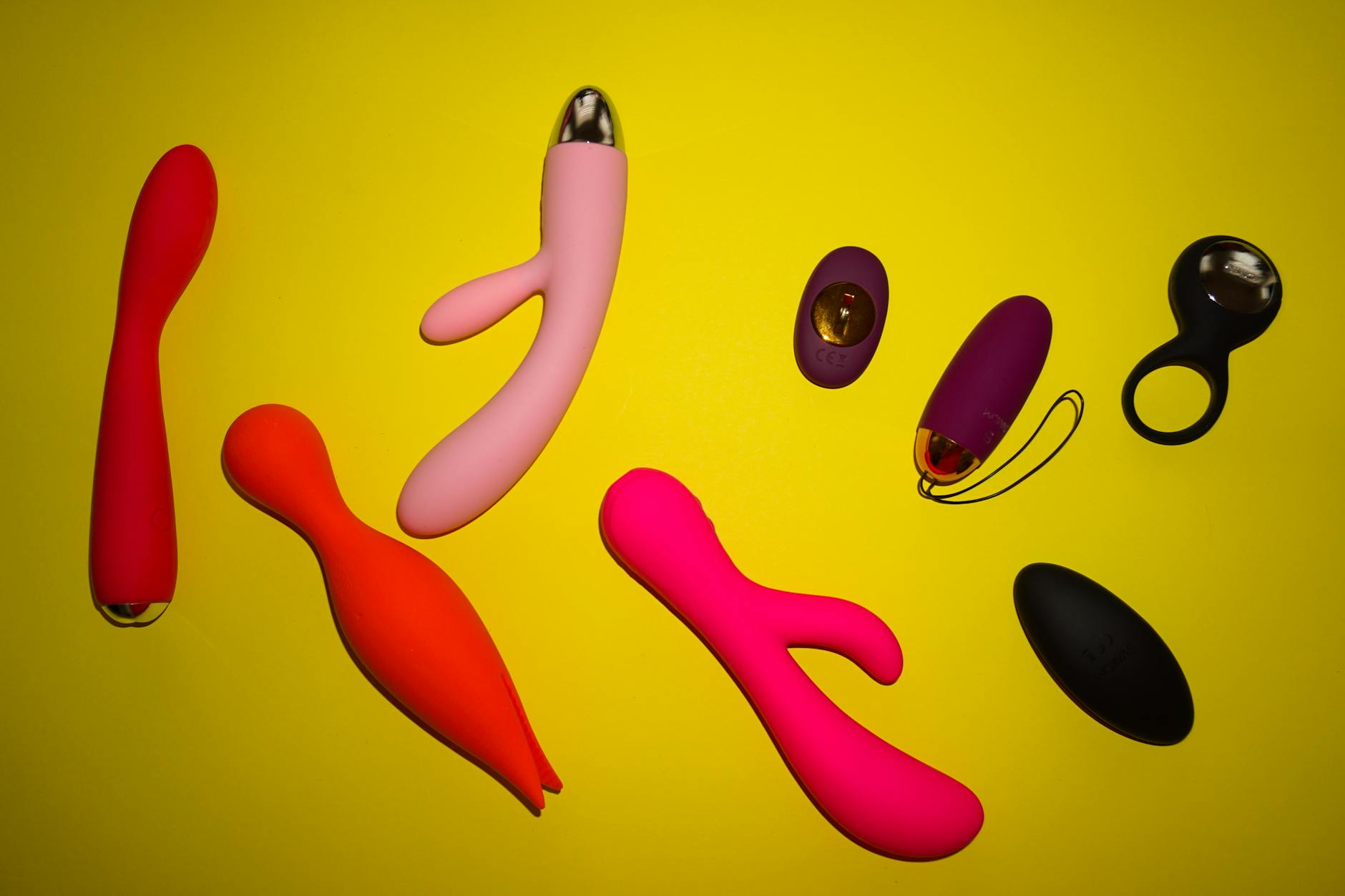
Here's the thing about hormonal dips and desire
Your desire isn't gone. It's just temporarily offline, and there's a real physiological reason for that. Hormonal fluctuations trigger actual changes in dopamine, serotonin, and testosterone. These aren't feelings you can logic away. They're chemical events happening in your brain and body right now.
The tricky part? Most people assume that if you don't feel like sex, you can't enjoy sex. That's backwards. Pleasure and motivation are different neurological pathways. You can have zero desire and still experience intense physical sensation using a lemon clitoral vibrator, because suction-based stimulation works on the nervous system, not the hormonal system.
Why standard vibrators don't cut it during hormonal slumps
When desire is low, sensitivity often shifts too. Hormonal drops reduce blood flow to genital tissue and increase arousal threshold. A traditional vibrator requires you to generate internal interest first. You have to warm up mentally, get invested, want it.
Lemon Clit Suckers work differently. The suction mechanism stimulates nerve endings directly, bypassing the need for arousal buildup. You're not waiting for desire to arrive. You're using physical sensation to wake up the pleasure pathway. It's passive engagement instead of active desire. And honestly, that's the difference between a day where you force yourself and a day where your body surprises you.
Second, hormonal fluctuations change tissue sensitivity. During high-estrogen phases, direct vibration might feel perfect. During low-estrogen phases (right before your period, or post-menopause), that same intensity can feel sharp or overstimulating. Suction spreads the sensation across a wider area, making it easier to dial down intensity without losing pleasure. You control the pattern, not the amplitude.
The cycle angle: when hormones say no, but pleasure still works
Your cycle is roughly four phases. Each one has a different hormonal profile, and that changes how stimulation lands.
Menstrual phase (days 1-5 or so). Estrogen and progesterone are tanking. Desire bottoms out. Energy is low. This is peak hormonal flutter time. Here's what works: low-intensity patterns on the Lemon vibrator, longer sessions (15-20 minutes), and zero pressure to orgasm. You're not chasing pleasure. You're exploring sensation. It often leads somewhere good without you forcing it.
Follicular phase (days 6-13). Estrogen starts rising. Desire creeps back. Tissue becomes more elastic and responsive. This is when standard vibrators often feel great again. So do Lemon vibrators, obviously. But you might notice you need less warm-up time and can handle higher-intensity patterns.
Ovulation (days 14-15). Peak estrogen and testosterone. Desire is actually there, sensation is sharp, arousal happens fast. This is when you'd probably want pleasure anyway, with or without hormonal help. Use any pattern. Your body will cooperate.
Luteal phase (days 16-28). Progesterone rises, estrogen and dopamine fall. Desire tanks again. Irritability goes up. Patience goes down. This is the second hormonal slump window. Similar to menstruation, but often a little longer and slightly less intense. Same approach: low patterns, longer sessions, no performance pressure.
The insight: you're not broken on days 1-5 or 16-28. Your chemistry is just recalibrating. A lemon sucker is the tool that works when your brain temporarily checked out.
Why you still need to actually start (even when you don't want to)
Here's the uncomfortable truth. Desire doesn't always arrive before you start. Sometimes it arrives because you started.
When hormones are low, motivation is genuinely gone. I'm not telling you to "lean into it" or "just relax." I'm saying: the activation energy is higher. You have to manually begin, even though your brain is whispering that you don't want to.
This is where lemon vibrators actually shine. You don't have to fantasize. You don't have to wait for arousal. You sit down, turn on pattern 1, and let the physical sensation do the work. About 40% of the time, this triggers arousal retroactively. Your body wakes up first. Your brain follows. That's not forcing pleasure. That's using sensation to unlock a pathway that hormones temporarily blocked.
The other 60% of the time? You still get physical sensation, possibly an orgasm, and zero guilt about not being in the mood. That's a win too.
What to actually do when desire is flatlined
Pick a time when you're alone and honestly relaxed. Hormonal crashes often come with fatigue and irritability. You're not going to generate desire if you're also managing email or worrying about dishes. Give yourself 20 minutes minimum with zero other demands.
Start with the lowest intensity pattern. When hormones are low, tissue sensitivity increases even as arousal decreases. That sounds contradictory, but it's real. Lower intensity feels safer and often more enjoyable. You can always increase. You can't unsensitize.
Set a timer for 15-20 minutes. Give yourself permission to do nothing else. No outcome goal. Not "I need to have an orgasm." Just sensation exploration. Honestly, this takes so much pressure off that arousal often shows up uninvited.
Notice what happens without judging it. You might not orgasm. You might feel muted pleasure. You might feel nothing for five minutes and then suddenly pleasure blooms. All of those are okay. The point isn't performance. The point is reclaiming your body as a source of sensation even when chemistry isn't cooperating.
Afterward, don't overthink it. Hormonal dips are temporary. You're not broken. This isn't your baseline. In a few days, or after your period, or whenever your cycle shifts, desire will likely return. Until then, you have the Lemon vibrator. That's enough.
When to talk to someone about persistently flat desire
If hormonal fluctuations are normal monthly dips, persistent desire loss is different. When desire doesn't return after your period or after ovulation, or when it's been absent for weeks across multiple cycles, that's worth mentioning to your doctor.
Sometimes it's thyroid function. Sometimes it's a medication side effect. Sometimes it's stress or depression wearing down your chemistry in ways that go beyond your menstrual cycle. A good clinician can actually measure your hormone levels and your mental health status. They can help identify whether this is cyclical or something that needs addressing.
In the meantime, using lemon clitoral vibrators keeps your nervous system engaged and your body's pleasure circuitry active. You're not waiting passively for desire. You're actively maintaining sensation and capacity. That matters more than you think, because the longer arousal goes untouched, the harder it becomes to reactivate.
The reframe that actually helps
Don't think of low-desire hormonal phases as broken time. Think of them as seasons. Some seasons are hot and naturally generative. Some seasons require you to plant something deliberately and wait for it to grow.
When you're in a low-desire hormonal phase and you pick up a lemon sucker anyway, you're not forcing pleasure. You're respecting your body's current state while refusing to let it go dormant. That distinction matters. One feels like coercion. The other feels like self-care.
Your desire will cycle back. And when it does, your body will remember that you kept showing up for it even when hormones weren't screaming yes. That builds something deeper than just pleasure. It builds a real relationship with your own capacity.
People also ask
How do lemon vibrators work differently than regular vibrators when hormones are low?
Lemon Clit Suckers use suction stimulation instead of direct vibration. Suction spreads sensation across a wider area and triggers nerves differently, which means you don't need high arousal to experience pleasure. Regular vibrators often require you to already be somewhat aroused before they feel good. With lemon clitoral vibrators, sensation can arrive first and arousal can follow. That reversal is the whole advantage when hormones have tanked your initial motivation.
Can I still have an orgasm during a hormonal dip?
Absolutely. Orgasm and desire are not the same thing. You can have zero desire and still experience a strong orgasm using a lemon vibrator. This happens because orgasm is a neurological event driven by direct nerve stimulation, not by your emotional or hormonal state. Your clitoral nerves don't stop working when estrogen dips. The pathway is still there. You just have to activate it manually with stimulation rather than waiting for hormones to do the work.
How long should I use a lemon vibrator if I'm not feeling pleasure at first?
Give yourself 15 to 20 minutes minimum. Hormonal dips often mean your body takes longer to wake up physically. You might feel numb or distant for the first 5 to 10 minutes, and then sensation gradually returns. If you bail after two minutes, you miss the moment where your nervous system actually boots up. The trick is patience, not pressure. If you're at 20 minutes and still feeling nothing, stop without shame. Sometimes a given session just doesn't land. That's not failure. That's information.
Is it normal for desire to disappear for a week or two each cycle?
Completely normal. Most people with ovaries experience at least one phase per cycle where desire drops. For some, it's just a few days before their period. For others, it's longer. The hormonal crash around menstruation or in the late luteal phase (days 21-28) regularly tanks dopamine and testosterone. That's not a flaw in your system. That's your system working as designed. What matters is knowing when it happens so you can plan accordingly. Using lemon vibrators during these phases keeps pleasure accessible without relying on motivation you temporarily don't have.
Does hormonal birth control affect how lemon vibrators feel?
Yes and no. Hormonal birth control flattens the cycle by stabilizing hormone levels, which is why some people on the pill report lower desire overall. The intensity of monthly desire swings usually decreases. But that doesn't mean vibrators stop working. It just means you might need to approach pleasure differently. Instead of working with your cycle's natural rhythm, you're working with a flatter baseline. Some people find lemon vibrators actually feel better on hormonal birth control because sensation is more consistent month to month. Others find the opposite. If you're on hormonal birth control and struggling with desire, try using a lemon vibrator consistently for a week or two. Your body will give you feedback about what works.
What if my partner wants pleasure when I'm in a hormonal dip?
Honest conversation first. Explain what's happening physiologically. Your low desire isn't about them or about your relationship. It's a temporary chemical shift. Then decide together. Some partners are happy to use a lemon vibrator on you while you relax. Some people find that redirects pressure and actually makes pleasure more available. Some couples decide to wait until desire naturally returns. All of these are fine. The key is deciding as a team instead of you trying to force arousal you don't have. Forced pleasure serves no one.