When sensation goes quiet
Let's be real. There's a particular kind of frustration that hits when you're ready for pleasure but your body isn't. You're present, your partner's present, maybe the timing is perfect. And then nothing. Or worse, something, but it's distant. Like you're touching yourself through a thick fabric.
This happens more than people talk about. Antidepressants numb things. Menopause changes nerve responsiveness. Chronic stress downregulates sensation. Aging shifts how easily nerves fire. And sometimes there's no obvious culprit at all. Your body just stops talking the same language it used to.
Here's what I see in my practice: most people assume they need more of the same thing. A faster vibrator. More pressure. A stronger toy. But that's not how nerve sensation actually works.
The difference between vibration and suction
Tradditional vibrators work by moving back and forth really fast. Some are good at it. But they rely on the same neural pathway you've been using your whole life: direct mechanical stimulation. If that pathway is quiet, no amount of speed wakes it up.
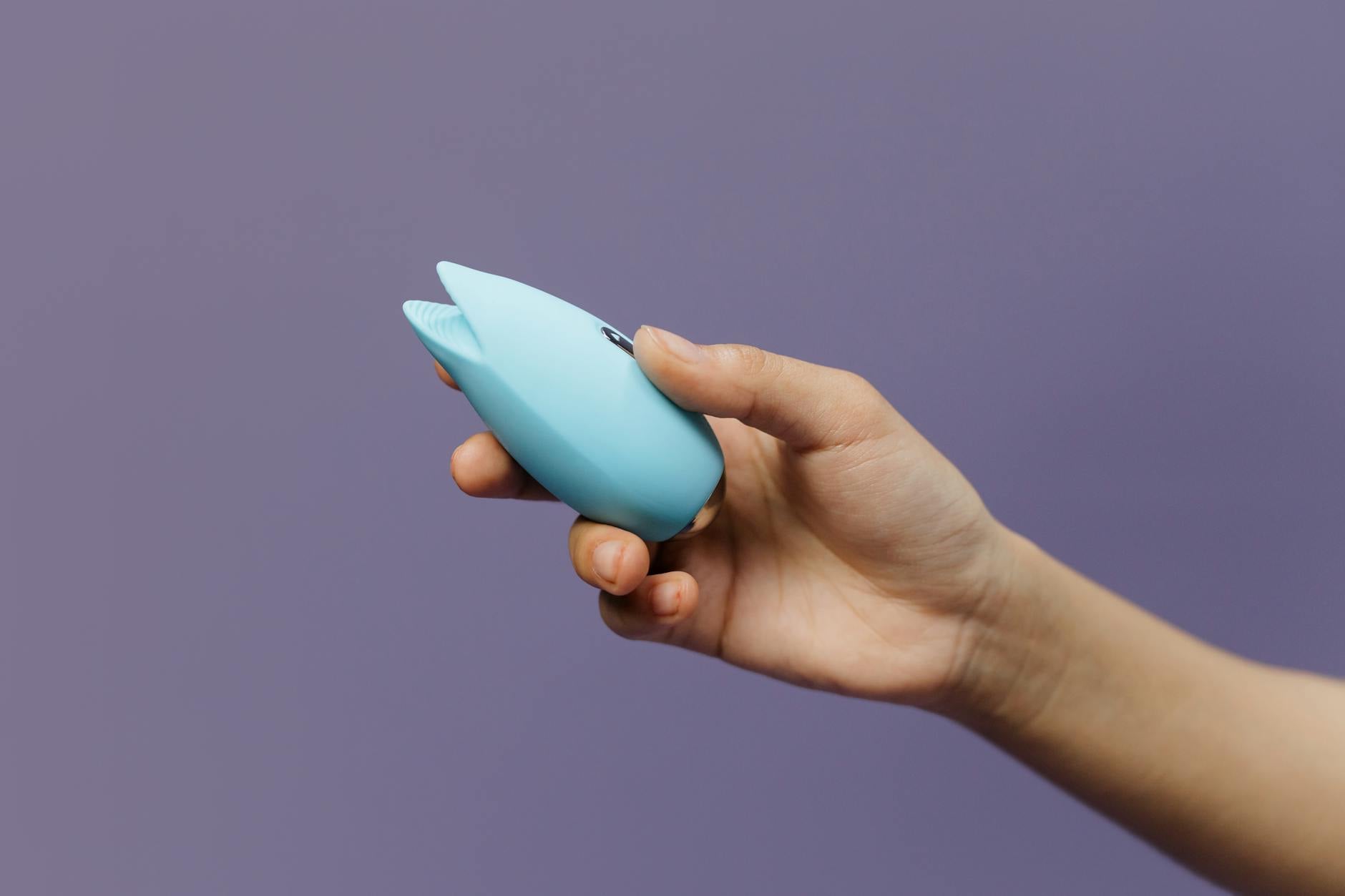
Lemon clitoral vibrators, like the Lem, use air-pulse technology. Instead of vibrating, they create a gentle suction and release pattern. That's not a vibration at all. It's a completely different sensation hitting different nerve endings.
Think of it this way. If your favorite restaurant is closed, ordering more food from there won't help. But a different restaurant across the street might be exactly what you need.
Here's the neurology: the clitoris has roughly 8,000 nerve endings, but they're not all the same type. Some respond to direct pressure. Others respond to suction, warmth, movement, or change. When one pathway desensitizes, the others are still there waiting.
Why suction wakes up what vibration can't
The clitoris is connected to a vast network of nerve fibers that branch into different sensory systems. Mechanoreceptors detect pressure and texture. Thermoreceptors sense temperature change. Proprioceptors track movement and position. Nociceptors (yes, some, but mainly involved in pain) help you know what's happening.
When you use a standard vibrator, you're primarily activating mechanoreceptors through sustained, rapid vibration. If those receptors have become less responsive—because of medication, hormonal changes, stress, or age—they stay less responsive, no matter how fast you vibrate.
Air-pulse lemon vibrators work differently. The gentle suction creates a rhythmic change in pressure and a light pulling sensation. That activates a different set of nerve endings. More importantly, it creates novelty. Your nervous system perks up to something new. And because suction involves a change in state (skin pulled gently inward, then released), it engages mechanoreceptors in a fresher way.
Low sensation or numbness often improves because the nervous system isn't bored. It's not trying to process the same old signal. It's getting something it hasn't registered in a while.
When antidepressants or hormones change the game
If you're on SSRIs, SNRIs, or most psychiatric medications, you already know they can flatten arousal and orgasm. The medications work by changing how serotonin or norepinephrine moves through your nervous system. The side effect is that sexual response gets collateral damage.
You can't skip the medication. So you have to work with what you've got.
This is where lemon vibrators shine. Because they're not relying on the same exhausted pathway, they often bypass the numbing effect entirely. I've had multiple clients on antidepressants report that they got sensation back, or at least different sensation, once they switched from traditional vibration to air-pulse.
Hormonal shifts do something similar. Menopause, certain contraceptives, and hormonal imbalance all change blood flow, tissue sensitivity, and nerve responsiveness. The tissue itself can become thinner or less vascular, which reduces how easily nerves fire. A different stimulus type can compensate in ways a faster vibrator never will.
The practical difference: how to restart sensation
If you've been numb or low-sensation for a while, here's what actually helps.
Start with zero pressure expectations. Don't go into it thinking you need an orgasm. You're doing sensory exploration, not performance. That mental shift alone opens things up.
Warm up first. Even if you don't think you're aroused, spend 10 minutes doing things you know feel okay. Read something, watch something, touch your own skin. Get blood moving.
Use a lemon clitoral vibrator on the lowest setting. Start there. The whole point is to introduce a stimulus your nervous system hasn't been getting. Low and gentle means your nervous system isn't overwhelmed. You're listening, not demanding.
Move it around. Don't let it sit in one spot. Try different angles. Some people find sensation comes back faster if they use short bursts rather than continuous contact. Pulse it. Hover it.
Give it time. Sensation often comes back in waves. You might feel nothing for five minutes, then a spark, then nothing again. That's normal. Keep going. That spark means your nervous system is waking up.
Pay attention to what you notice first. Numbness doesn't usually disappear all at once. You might notice a tingling. A slight pressure change. A vague warmth. None of it feels like an orgasm. That's fine. You're building back up.
Why air-pulse beats stronger vibration every time
You might think the answer to numbness is a more powerful vibrator. Stronger sensation, right?
Wrong. When sensation is low, going harder often just creates fatigue without pleasure. Your body doesn't register the extra force as something good. It registers it as noise.
Air-pulse lemon vibrators keep intensity moderate because they don't need to be brutal to be effective. They're creating change, not volume. And that's what a desensitized nervous system actually needs.
I also see this happen: people with low sensation sometimes find traditional vibrators create a numb sensation on top of existing numbness. It's like the vibration drowns out whatever faint signal your body was sending. Suction doesn't do that. It's rhythmic but clear. Your nervous system can follow it.
When to see someone vs. trying this alone
Low sensation that appears suddenly, especially if it's painful or comes with other symptoms, deserves a doctor's visit. Nerve damage, spinal issues, or medication interactions need professional input.
But low sensation that's been creeping in over months or years? That's often responsive to what I'm describing here. A change in stimulus type, some patience, and a tool that works with your nervous system instead of against it.
If you've been on antidepressants for a while and sensation hasn't come back, that's worth mentioning to your prescriber. Sometimes a dose adjustment, a medication switch, or adding something like bupropion (which affects pleasure pathways differently) helps. And sometimes lemon vibrators fill the gap while you figure out the medication piece.
The bottom line
Your nervous system is smart. When one pathway gets tired or blocked, it doesn't mean you're broken. It means you need a different route. Air-pulse lemon clitoral vibrators are that different route. They work because they're not trying to do what vibration does. They're doing something your body forgot it could feel.
You deserve sensation. You deserve pleasure. Sometimes it just needs an introduction to a different tool.