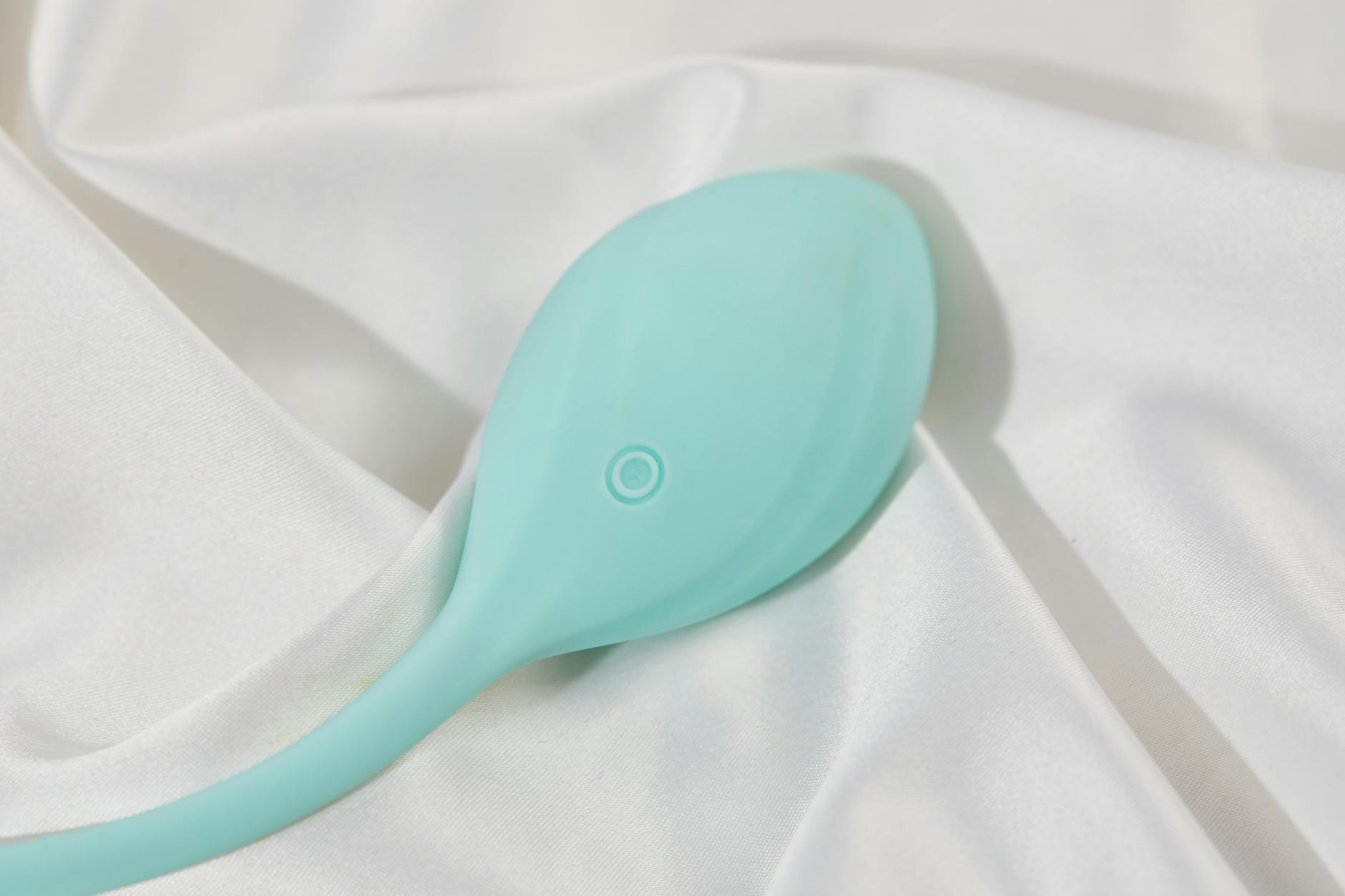
Here's what nobody tells you about vibrators and sensation
You're using your lemon vibrator regularly. It feels incredible. Then one day, something shifts. The same intensity that used to send a wave through your body feels distant. Muted. Like you're watching pleasure happen to someone else instead of experiencing it directly. You assume something's wrong with you. You assume the vibrator broke. You assume you've somehow damaged yourself. None of those things are true.
What you're experiencing is desensitization. It's neurological, it's temporary, and it's far more common than anyone talks about. I've seen this pattern in my practice across hundreds of clients, and the good news is that sensation returns completely once you understand what's happening and adjust your approach.
Why desensitization happens with lemon vibrators
Your clitoris is packed with nerve endings. When stimulated repeatedly at high intensity, those nerves adapt. This isn't a defect. It's actually a protective mechanism your nervous system uses to prevent overstimulation. Think of it like how a spicy pepper stops burning your mouth after a few bites, or how cologne you wear every day becomes invisible to you.
Vibrators, especially powerful ones like lemon sucker and clitoral vibrator models, deliver consistent, intense stimulation that manual stimulation or partnered touch rarely matches. That intensity is part of what makes them effective. But intensity, when applied frequently and without variation, teaches your nervous system to tune it out.
This happens faster if you're using the same vibrator, the same pattern, the same intensity, in the same position, multiple times a week. Your body becomes habituated. The signals stop feeling novel. Pleasure flattens.
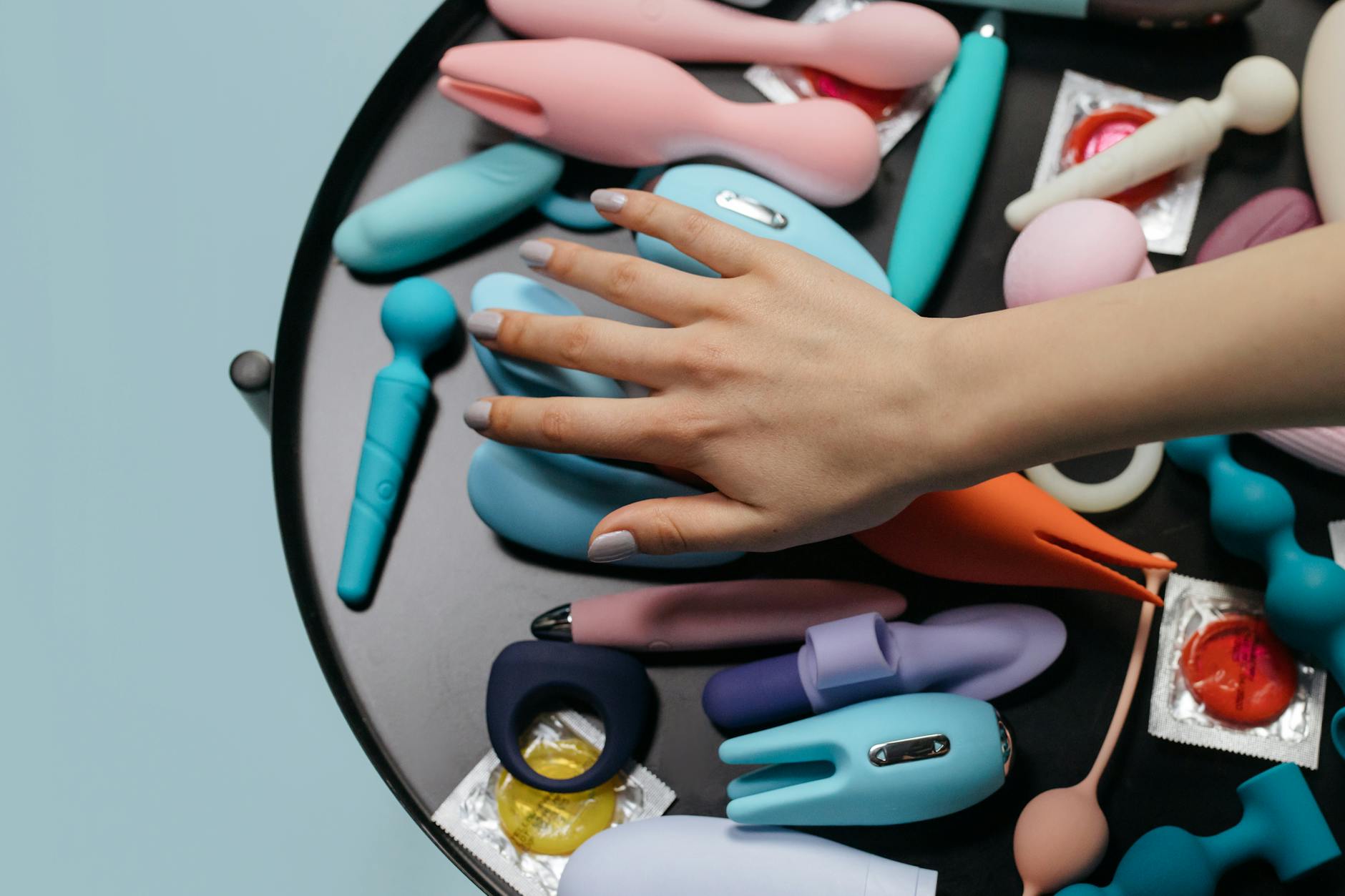
Photo by cottonbro studio on Pexels
The timeline: when does numbness actually set in?
Desensitization isn't inevitable, and it doesn't happen on a fixed schedule. I've worked with clients who use lemon vibrators daily without issue, and others who experience it after a few weeks of regular use. The differences usually come down to three factors: frequency, intensity settings, and variety.
Someone using a Lem vibrator at pattern 6 every single night will likely notice dulled sensation faster than someone who varies patterns, takes breaks, and sometimes uses gentler stimulation. Someone who alternates between different lemon clitoral vibrator styles or mixes vibration with other types of touch typically doesn't hit that wall at all.
The earliest sign isn't numbness. It's chasing. You find yourself turning up the intensity because the baseline no longer feels like enough. You need pattern 7 instead of 5. You're pressing harder. You need longer sessions to reach the same peak. These are the early warnings.
How to prevent desensitization before it starts
Prevention is dramatically easier than recovery, so I always start here.
Rotate your intensity. If you have a lemon vibrator or other clitoral vibrator, don't camp at the highest setting. Vary it. Some sessions at pattern 2 or 3, some at mid-range, occasionally at the top. Your nervous system stays engaged when the input varies.
Change patterns. Most quality lemon sexual toys have multiple vibration patterns for a reason. Use them. Pulse feels different from steady buzz. Ramp-up feels different from both. This variation keeps your body from habituating.
Add rest days. You don't need to use your vibrator every single day. Three to four times weekly with rest days in between is plenty for sustainable pleasure. The breaks let your nervous system reset naturally.
Mix modalities. One session with a vibrator, the next with manual stimulation or partnered touch. One with lube, one without. One focused on clitoral vibrators, another exploring indirect stimulation. Novelty is the enemy of numbness.
Stay present with sensation. This sounds simple but it matters. If you're using a vibrator while scrolling your phone or mentally running through tomorrow's tasks, your brain isn't fully encoding the pleasure. You need less stimulation to feel the same amount when you're actually paying attention.
What to do if numbness has already set in
If you're already experiencing flattened sensation, the reset is straightforward but requires patience.
Take a break from your lemon vibrators entirely. Not forever. Two to four weeks off from vibration is usually enough to restore baseline sensitivity. During this time, explore other forms of stimulation. Manual touch. A partner's touch. Different toys entirely if you have them. The point isn't to avoid pleasure. It's to give your nervous system a chance to reset its baseline.
Most people notice a shift around week two. By week three, the old intensity that felt numb suddenly feels present again. Your body hasn't changed. Your vibrator hasn't changed. Your nervous system has relearned what stimulation feels like.
When you reintroduce your lemon clitoral vibrator, start lower than you think you need. Pattern 2 instead of your old pattern 5. Let yourself acclimate. This isn't settling. It's creating space for the sensation to actually register again.
The role of stress, medication, and other life factors
Desensitization isn't always about vibrator use alone. If you're running on fumes, under massive stress, or taking medications that affect sensation, numbness will accelerate. Antidepressants, hormonal birth control, and antihistamines can all dull clitoral sensitivity. Chronic stress taxes the nervous system's ability to register pleasure.
I had one client convince herself her vibrator was broken, only to realize she was also in a high-stress job with no sleep routine, and she'd recently switched SSRIs. Once we addressed the stress and adjusted her medication, her sensation returned without any changes to her lemon vibrator use at all.
If numbness appears suddenly or in the context of other sensations changing, it's worth checking in with your doctor. Usually it's just habituation. Sometimes it's something worth knowing about.
Building a sustainable pleasure practice
Here's what works long-term: think of your lemon vibrator or other clitoral vibrator as a tool in a larger toolkit, not the entire toolkit. Rotation, variation, and intentionality matter more than frequency.
One client I worked with established a rhythm that solved her desensitization issue completely: Monday and Friday with her vibrator, Wednesday with partner touch, Sunday with manual stimulation. Saturday was off. Within a month, her sensation was back and more nuanced than before. She could feel the differences between patterns again. She wasn't chasing intensity.
Another built in a monthly "reset week" where she skipped vibration entirely. She used that week to tune into her body differently, without the buzz. When she returned to her lemon sexual toys, the sensation was fresh.
The secret isn't complicated. It's novelty within routine. Intensity within variation. Pleasure within intention.
When to suspect something beyond habituation
Most numbness is straightforward desensitization. But if you're experiencing:
- Complete absence of sensation after just one or two uses
- Pain or discomfort that wasn't there before
- Numbness that persists beyond four weeks of no vibrator use
- Numbness isolated to one side of your body
Those warrant a conversation with your gynaecologist or doctor. They're rare, but they're not things to ignore. Nerve damage from excessive pressure is possible if someone is using a vibrator in a way that compresses tissue for extended periods, but it's preventable with basic awareness of pressure and positioning.
The bottom line
Your clitoris hasn't failed you. Your vibrator hasn't failed you. Your nervous system is doing exactly what it's supposed to do: adapting to repeated input. That adaptation is reversible. The moment you understand it, you have agency over it. Rest, variety, and intentionality will bring sensation back. And when it returns, you'll have a much more sustainable relationship with pleasure than you did before.
People also ask
How long does it take to regain sensitivity after using lemon vibrators too much?
Most people report noticeable improvement in sensation within two to three weeks of taking a vibrator break. Complete restoration typically happens within four weeks. However, this timeline varies based on how frequently you were using the vibrator, at what intensity, and your overall stress levels. Someone who used a lemon clitoral vibrator daily at maximum intensity may need the full four weeks. Someone who was using it moderately might feel the shift in two weeks.
Can you become permanently numb from vibrator use?
No. Desensitization from vibrator use is not permanent. It's a temporary adaptation of your nervous system. Once you remove the repeated intense stimulus, your baseline sensitivity returns completely. There are no documented cases of permanent numbness caused solely by vibrator use. The concern is understandable, but it's unfounded. If numbness persists beyond four to six weeks of not using a vibrator, the cause is likely something else entirely, and worth discussing with a healthcare provider.
Should you take breaks from using lemon vibrators regularly?
It depends on how you're using them. If you're rotating intensities, changing patterns, mixing in other forms of stimulation, and staying present during use, you can use a lemon sexual toy several times per week without issues. If you're using the same pattern at maximum intensity every single day, yes, planned breaks become necessary. A good baseline is at least one to two days off per week, though not everyone needs that. Pay attention to whether you're noticing yourself chasing higher intensity. That's the signal to build in more variety or rest.
Does lube help prevent vibrator numbness?
Water-based lubricant won't directly prevent desensitization, but it can reduce pressure and friction, which means you often don't need to use your lemon vibrator at as high an intensity to feel satisfied. Because you're using less intensity overall, you're less likely to habituate as quickly. It's an indirect benefit, but a real one. Quality lube also creates better connection with a partner if that's part of your picture, which adds novelty and variation to your stimulation.
Is it normal to need a stronger vibrator after using a lemon clitoral vibrator for a while?
Not exactly. What's normal is needing more intensity from the same vibrator because you've habituated to its baseline. That's different from the vibrator itself being too weak. Chasing a stronger vibrator without addressing the underlying habituation just accelerates the numbness cycle. The solution isn't upgrading to a more intense toy. It's varying how you use the one you have, taking breaks, and reintroducing it at lower intensities.
Can desensitization happen from partner stimulation too?
Yes, though it's less common. If a partner uses the exact same touch in the exact same way for years without variation, desensitization can occur. But partnered stimulation almost always involves more variation naturally. Different pressures, different rhythms, different positions. That built-in variation typically prevents the kind of habituation that vibrators can trigger. That said, the principle is the same: novelty and variation protect sensation across all forms of stimulation.
If you're struggling with flattened sensation or want to explore how to use lemon vibrators more sustainably, let's talk. Reach out to Hello Nancy to discuss your specific situation. Your pleasure matters, and there's always a path back to full sensation.