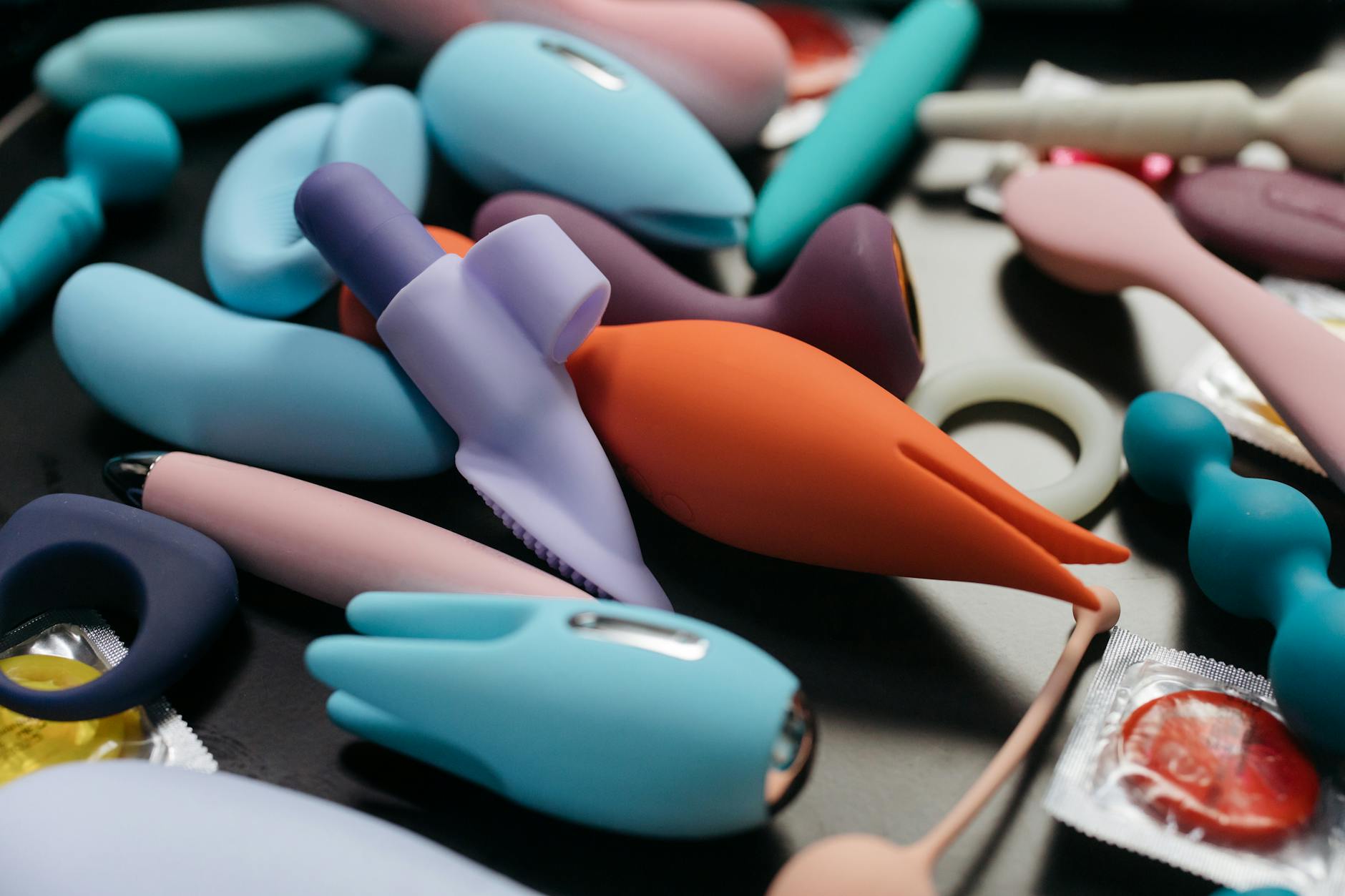
Let's talk about what happens to your body after surgery
Abdominal surgery changes more than just the incision site. It changes sensation, mobility, scar formation, and often your confidence around touch. Most people don't realize how much pleasure is wired through the core until surgery interrupts it. The good news? Rebuilding that connection is absolutely possible. It just takes the right approach.
Here's what I've learned from working with people in recovery: the tool matters more than motivation. A gentle lemon clitoral vibrator isn't just nice to have. It's often the difference between a recovery that includes pleasure and one where pleasure feels off limits indefinitely.
How abdominal surgery affects sensation and arousal
Your abdomen contains hundreds of nerve endings. When a surgeon cuts through tissue to reach organs, they're cutting through those neural pathways. Some nerve damage is temporary. Some persists. Your brain also registers the surgical site as a zone to protect, so arousal can feel genuinely suppressed even weeks or months later.
This creates a specific problem: traditional vibrators are designed for bodies in their baseline state. They assume a responsive pelvic floor, robust sensation, and zero physical hesitation. After surgery, your body needs something different.
The clitoral area itself is usually less affected by abdominal incisions than the surrounding tissue. This is why focusing stimulation there, with a device designed for gentleness and precision, works so well during recovery. You're not asking your healing core to participate. You're isolating pleasure to an area that's already ready.
Why suction-style lemon vibrators are gentler than traditional models
Here's the mechanical advantage: traditional vibrators work through rapid back-and-forth friction. After surgery, that kind of direct pressure can feel overwhelming, even painful. It's too much sensory input too fast.
Lemon vibrators use gentle suction instead. They stimulate the clitoral nerve cluster without requiring you to tolerate friction. For a post-surgical body, this distinction changes everything.
You get three advantages:
1. Lower pressure requirements. You can start at pattern 1 or 2 and feel plenty of sensation. Your healing body doesn't have to work to find pleasure. The device does the work.
2. Precision without intensity. Suction focuses sensation in one concentrated area. You're not managing stimulation across a wide surface. That precision actually builds confidence faster than diffuse vibration does.
3. Responsive design. Because the sensation builds gradually, you can tune in to what your body actually wants, rather than fighting through something that feels aggressive or overwhelming.
Many people skip pleasure during recovery because standard vibrators feel like too much. A lemon suction vibrator lets you start somewhere gentle and build from there at your own pace.
The psychological piece your surgeon doesn't address
I want to be direct about this: pleasure after surgery is partly physical and partly psychological. Your body has been cut open. A part of your brain is in protection mode. That's not weakness. That's normal neurobiology.
When you try to return to pleasure too quickly with a device that feels intense, you're essentially telling your nervous system: "Trust this. This is safe." If the sensation feels overwhelming, your nervous system gets the opposite message. It locks down further.
With a gentler tool, you can rebuild that trust incrementally. Start small. Notice what feels okay. Gradually expand. Your brain learns: "This is safe. We can do this."
This is also why the first time matters. If your first attempt post-surgery is awful, you can develop an avoidance pattern that lasts months. A lemon vibrator's gentleness means your first experience can actually be good, which changes the entire trajectory of recovery.
Scar tissue and sensation recovery
Abdominal scars heal differently depending on the type of surgery. C-sections create adhesions that can affect pelvic floor function. Appendix or gallbladder removals can leave scar tissue that interferes with arousal signals. Some people report numbness around the scar for years. Others experience hypersensitivity.
Neither of those scenarios is permanent. But during the transition period, your body needs support.
Lemon vibrators can actually help with scar tissue desensitization. As sensation returns, gentle, controlled stimulation helps your nervous system process the area as normal again, not dangerous. You're not putting pressure on the scar itself. You're rebuilding the neural pathways that feed it.
Combine this with pelvic floor physical therapy (which I recommend post-surgery anyway), and recovery accelerates. You're addressing healing from multiple angles.
Timeline matters more than willpower
Here's where a lot of people get stuck: they assume that being "ready" for pleasure is about willpower or desire. It's not. It's about your nervous system completing its healing cycle.
General guidelines from gynecologists and surgeons: six weeks before any penetration, and often longer for comfort. But pleasure isn't the same as penetration. Clitoral stimulation can usually resume much sooner, especially with a gentle tool.
Most of my clients find that starting with a lemon vibrator around week 4 or 5 post-surgery (check with your doctor first) opens a window that stays open. Waiting until week 12 because you assumed you had to wait that long means missing months of gentle reconnection.
The right timing plus the right tool equals recovery that actually includes pleasure, not recovery you endure and then slowly rebuild pleasure afterward.
Starting again after a long break
Surgery recovery often means a break from sexual activity longer than any other life event. Whether it's weeks or months, that gap changes your body's baseline. Arousal takes longer. Sensation feels muted. Confidence is lower.
If you've had a hysterectomy or similar procedure, a lemon clitoral vibrator helps restore sensation faster because it's designed to wake up nerve endings without aggressive stimulation. You're not asking your body to match pre-surgery intensity. You're meeting it where it actually is and building from there.
This is also true emotionally. If you had anxiety around the surgery itself, pleasure can feel tangled up with that fear. A tool that feels gentle and controllable helps untangle those wires. You're learning: pleasure is still possible. Your body is still yours.
What to do if your doctor clears you and you still feel hesitant
Medical clearance and emotional readiness are not the same thing. Your surgeon might say "you're healed" and you still feel scared. That's real. It happens often.
Start smaller than you think. If a lemon vibrator feels too much, use it external to the vulva. Literally just above it. Let your body get used to the sensation without direct contact. Spend a week there. Then move closer. There's no rush.
If you have a partner, communication here is crucial. Tell them: "I'm starting small and building at my own pace. I'm not in a rush. I just want pleasure to feel optional, not obligatory." Most partners respond with relief. They've been stressed about "getting it right" during your recovery too.
You might also find that using a lemon vibrator solo for maximum pleasure and comfort feels safer than partnered exploration at first. That's completely legitimate. You can introduce a partner later, once you've rebuilt your own relationship with pleasure.
The tools that actually work during recovery
Beyond the vibrator itself, a few things support healing:
Water-based lubricant. Surgery can affect your body's natural lubrication. Use lube even if you normally wouldn't. It reduces friction and makes everything feel gentler.
A quiet, private space. Your nervous system needs to feel genuinely safe. Remove distractions. You're not multitasking pleasure during recovery. You're giving it your full attention.
Realistic expectations about sensation. Your body might feel different even after you're healed. That doesn't mean something's wrong. Scar tissue, nerve regrowth, and hormonal shifts all change sensation permanently. Most people adapt and find new preferred sensations. Be curious, not disappointed.
A pelvic floor physical therapist if sensation feels stuck. If numbness or pain persists past three months, that's when you want professional support. A PT can identify adhesions or nerve issues that your gynecologist might miss.
A lemon clitoral vibrator fits into all of this as the tool that makes pleasure feel accessible again. It's not a solution. It's a bridge.
The bigger picture: rebuilding trust in your body
Surgery is a rupture. Someone cut you open for good medical reasons, but your body doesn't know that. It just knows it was violated. Rebuilding trust in that body after surgery takes time.
Pleasure is one of the ways you reclaim your body as yours. Not for reproduction. Not for a partner. For you. For sensation. For joy.
When you can experience pleasure again post-surgery without pain or fear, something shifts psychologically. You realize: "I'm still me. My body is still mine. It still works." That realization matters way more than any single orgasm.
A tool designed for gentleness, like a lemon vibrator, makes that moment possible sooner. And sooner matters when you've been through the vulnerability of surgery.
People also ask
How long after abdominal surgery can I use a vibrator?
Check with your surgeon, but most recommend waiting until you're cleared for normal activity, usually four to six weeks post-op. Light clitoral stimulation is typically safe before full penetration is cleared. Start gently and stop immediately if you feel pain. Your body will tell you what it's ready for.
Can vibration irritate a healing scar or incision?
If the vibrator is nowhere near the scar or incision site, no. Clitoral vibrators don't create abdominal movement or impact the surgical area. The concern most people have is psychological more than medical. Your scar needs to stay clean and undisturbed, but pleasure at the clitoris doesn't affect that.
Will sensation ever feel normal again after surgery?
Yes, for most people. Nerve healing takes time, sometimes months. Numbness around the scar might persist, but sensation in the clitoral area typically returns fully. Some people report that sensation feels different in ways they actually prefer. Your body adapts faster than you think.
Is it normal to feel no arousal after abdominal surgery?
Completely normal. Your nervous system is in protection mode. Arousal requires your body to feel safe enough to allocate resources toward pleasure. Post-surgery, those resources are directed toward healing. As the healing phase ends, arousal naturally returns. A gentle tool can help reawaken it.
Can I use a lemon vibrator if I still have pain around the incision?
Not until the pain is gone. Pain is a signal to avoid. If you're still experiencing pain more than six weeks out, that's worth mentioning to your surgeon. Once pain is resolved, you can safely start with clitoral stimulation away from the surgical area.
What if penetration feels scary but clitoral stimulation doesn't?
Then stop at clitoral stimulation. You don't need penetration to have complete, satisfying pleasure. Many people find that rebuilding their relationship with clitoral pleasure first makes penetration feel less urgent. Work at the pace that actually feels good, not at the pace you think you should be at.
Recovery is personal. Your timeline is yours. A lemon vibrator is just the tool that makes starting easier.