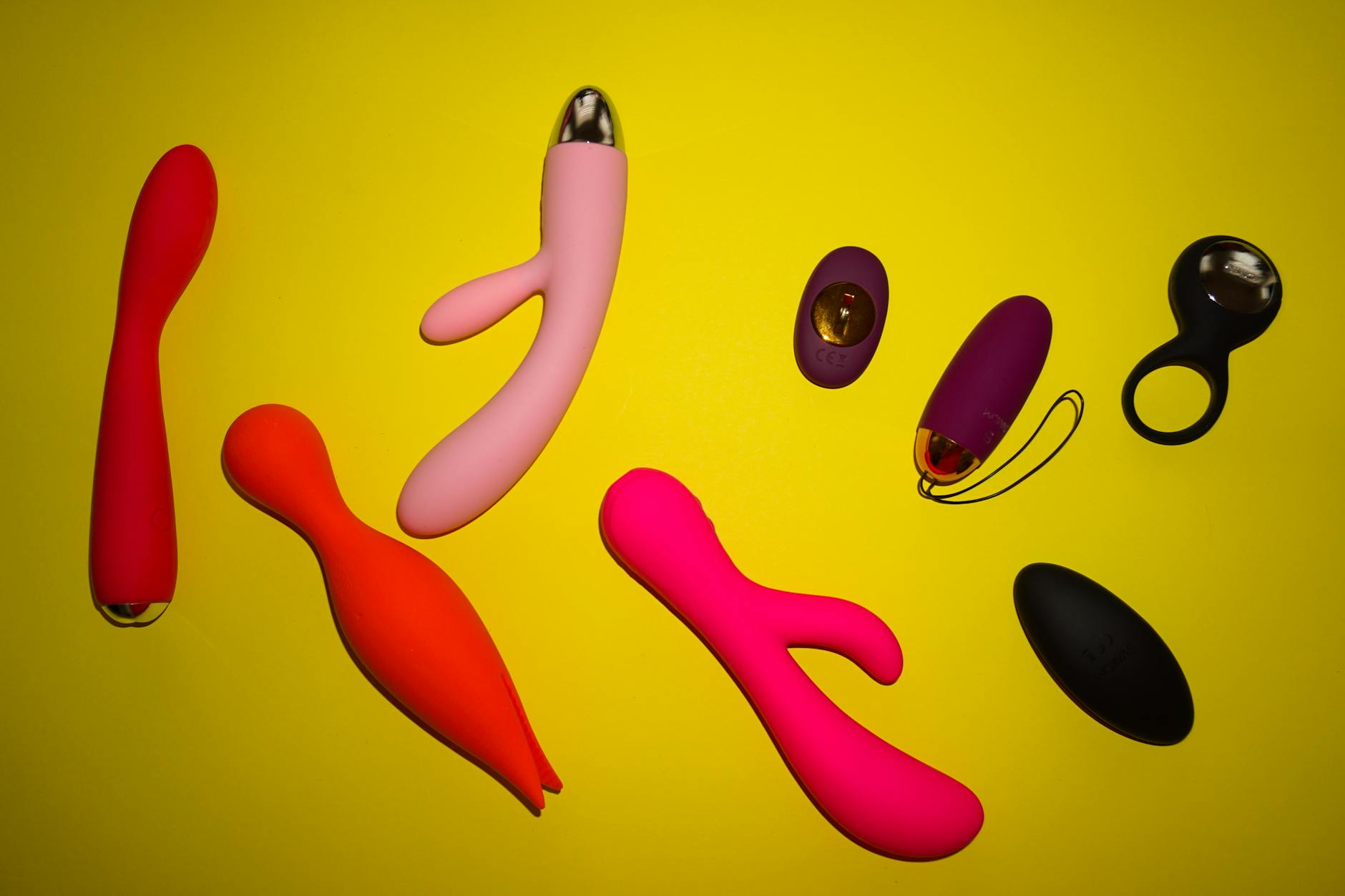
Let's talk about what hysterectomy actually removes and what it doesn't
Here's the thing nobody explains clearly: a hysterectomy removes your uterus. Full stop. Your clitoris is still there. Your vulva is still there. Your capacity for orgasm is still there. And yet most people emerge from surgery believing their sex life is over, which is an absolute shame because it doesn't have to be.
The real conversation is about what's changed physically during healing and what tools help you navigate that window safely.
What the healing timeline actually involves
The first six weeks post-surgery are non-negotiable downtime. Your pelvic floor took trauma during the procedure, whether the hysterectomy was vaginal, abdominal, or laparoscopic. Scar tissue forms. Nerves settle. Your body is busy with repair work, and that's not the time to introduce any stimulation.
Around week six or seven, depending on your surgeon's clearance, gentle internal healing is underway. This is where most people start thinking about sex again. The clitoris, which has a robust external structure and its own nerve supply, often recovers faster than people expect. But here's what makes it tricky: the pathway from your clitoris through the pelvic floor to your brain feels different now because the internal geography has shifted.
The nerve routes are intact, but the tissue supporting them has changed.
Why lemon clitoral vibrators are different for this specific recovery
Traditional vibrators rely on direct contact and friction. During hysterectomy recovery, even gentle friction can trigger pelvic floor guarding (your muscles tensing involuntarily) because of scar tissue proximity. Air-suction vibrators like the Lem work differently. They create a gentle pressure differential that stimulates without the repetitive micro-friction that can aggravate healing tissue.
Think of it this way. A conventional vibrator is like tapping on a tender bruise. The suction approach is like applying gentle, sustained pressure that encourages blood flow and nerve awakening without impact.
For post-hysterectomy bodies specifically, this matters because:
1. No pelvic floor triggering. Suction stimulates the clitoral nerve bundle without activating the defensive response in your pelvic floor that scar tissue tends to provoke.
2. Sensation builds gradually. Many people report numbness in the first months after hysterectomy. Suction seems to coax sensation back more effectively than vibration, possibly because it's engaging deeper nerve pathways rather than surface-level stimulation.
3. You stay in control. The pattern settings on most lemon vibrators let you start incredibly low and gradually increase intensity as you heal. You're not locked into a rhythm your body isn't ready for.
The timeline that actually works
Week 6 to 8: Check with your surgeon, but this is when you might start external-only exploration. A lemon clitoral vibrator on the lowest setting, just getting reacquainted with sensation.
Week 8 to 12: If week 6 felt good, you can start experimenting with slightly higher patterns. Your clitoris is remarkably resilient, and many people report that sensation comes roaring back once you give it permission.
Month 4 onward: Most surgeons clear you for full activity, which means internal penetration if you want it. By this point, your pelvic floor has usually settled enough that you can use lemon vibrators with more confidence, though many people continue to prefer external-only stimulation because it's less triggering of scar tissue sensations.
What to actually expect sensation-wise
You might feel numbness. You might feel hypersensitivity. You might feel nothing for a few weeks and then suddenly everything floods back. All of this is normal. The hysterectomy didn't damage your clitoral nerves, but the surgical trauma and swelling can interrupt the signals traveling up and down those nerves. Time and gentle stimulation wake them back up.
Some people report that their orgasms feel different. Shallower, higher up, less intense. Others say they're stronger than before, possibly because the removal of uterine sensation lets them focus entirely on clitoral response without competing sensations. Your version might be completely different, and that's fine.
Lubricant matters more than you'd expect. Even if your body is producing normal lubrication, the healing tissue benefits from extra slip. Water-based lube takes any remaining friction out of the equation entirely.
The mental part that everyone skips over
Your body went through major surgery. There's trauma in there beyond the physical healing. Many people experience a grief cycle about the lost uterus, even when they're relieved not to have it anymore. That grief can show up as difficulty becoming aroused or a weird disconnection from sensation.
If you had the hysterectomy because of endometriosis, fibroids, or chronic pain, there's often a relief component layered on top. Your body doesn't hurt anymore. And that changes your relationship to pleasure in ways that deserve attention.
The best time to introduce a lemon vibrator isn't just when your surgeon says you're physically healed. It's when you're emotionally ready to explore again. If that's week 8 or month 4 or month 8, all of those timelines are legitimate.
How to actually start again
Set aside quiet time when you're not rushing. No partners, no audience, no pressure to perform or produce an orgasm. You're investigating. That's all.
Start with the lowest pattern setting. Many people don't even place the lemon vibrator against skin on day one. They just sit with it nearby, get used to seeing it, maybe hold it, feel the pulse. This isn't wasting time. You're rewiring your nervous system's sense of safety around pleasure.
When you do make contact, keep it brief. Two minutes, maybe three. Your nervous system is recalibrating, and overstimulation isn't helpful. Most people find that frequent short sessions (five to ten minutes, a few times a week) work better than occasional longer sessions during the early recovery window.
If something triggers pain or a sharp sensation, stop. This is different from normal pleasure sensations. Your pelvic floor knows the difference between gentle stimulation and something it wants to defend against.
When to talk to your healthcare provider
If you're hitting month three and sensation hasn't returned at all, mention it to your surgeon. It's usually fine, but sometimes scar tissue develops in a way that blocks sensation, and there are treatments for that.
If you're experiencing pain during stimulation or after, that's worth flagging too. Most post-hysterectomy pain is manageable and temporary, but you want professional confirmation that scar tissue isn't causing problems.
If you were already struggling with desire or arousal before the hysterectomy, the surgery doesn't fix that. In fact, it can magnify it temporarily. This is worth addressing with a therapist or a healthcare provider who understands sexual recovery alongside physical recovery.
The bigger picture
Hysterectomy is not the end of your sexuality. It's a reset button that requires patience and the right tools. A lemon vibrator with its gentle approach to stimulation often becomes the thing that bridges the gap between healing and rediscovering pleasure. Your clitoris is still there, still capable, still interested. You just need to meet it where it is during recovery, with the right approach and timeline.