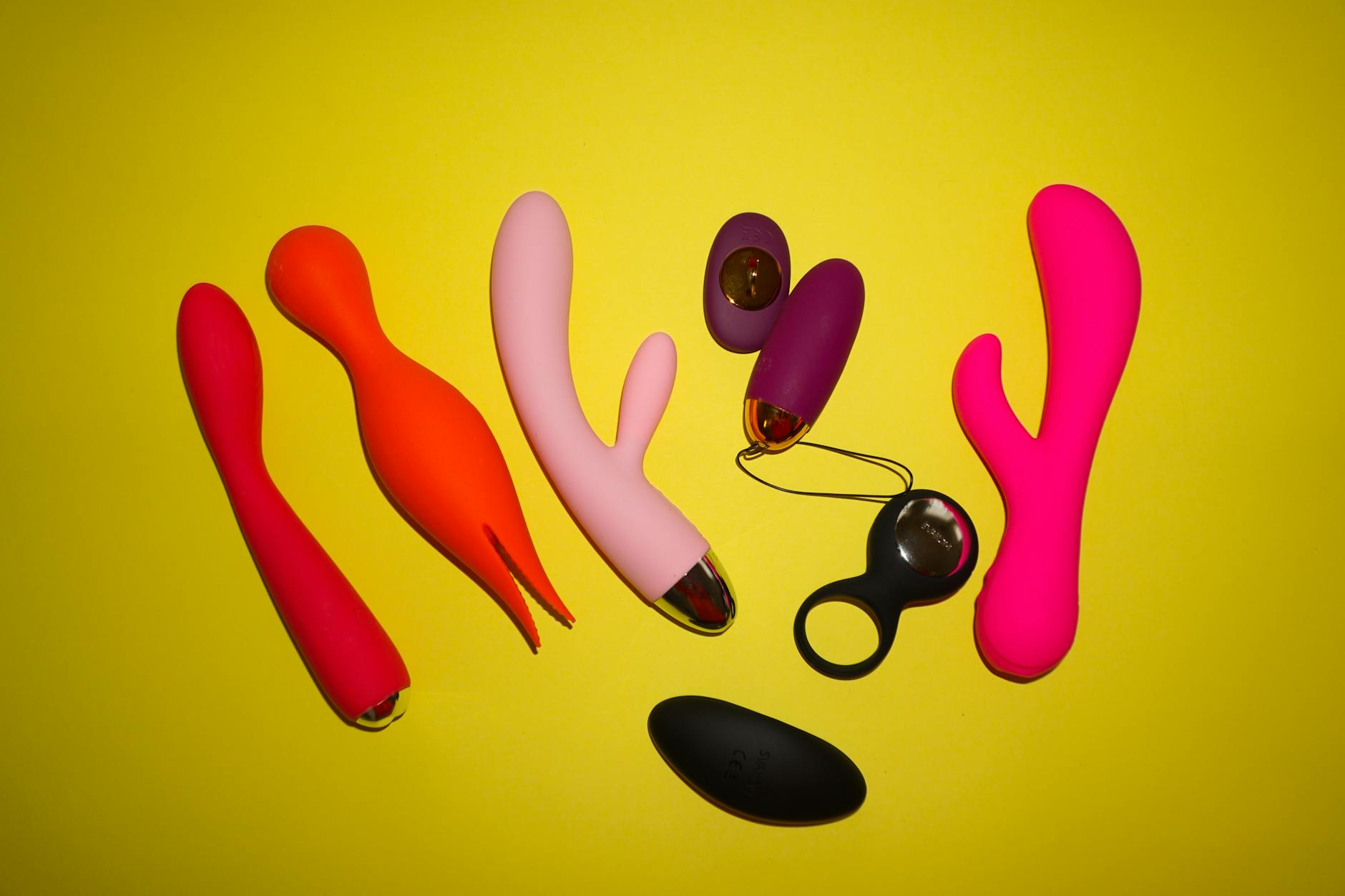
Let's talk about what estrogen actually does to your pleasure
Let's be real. When estrogen drops, your clitoris doesn't disappear. But it does change. The tissue thins. Blood flow shifts. The whole responsiveness pattern rewires itself. If you've been using a lemon vibrator the same way for years and suddenly nothing's working the way it used to, you're not broken. Your body is telling you something specific.
Most people assume low sensation means they need a stronger vibrator. That's backwards. When estrogen declines, thinner tissue often needs gentler stimulus applied differently. The good news: lemon clitoral vibrators like the Lem are specifically designed for exactly this problem.
How estrogen changes clitoral tissue (and why it matters)
Estrogen keeps clitoral tissue plump. The epithelial layer stays thick. Blood vessels maintain their elasticity. Nerve endings stay responsive but not hypersensitive. When estrogen drops, that tissue loses some of its cushioning. Nerves sit closer to the surface. Direct pressure that felt fine at 35 might feel raw or overstimulating at 50.
Here's the part nobody mentions: thinner tissue can actually develop sharper, more concentrated sensations. It's not less sensation. It's different sensation. Your lemon vibrator can access those sensations, but the approach changes.
Why suction works better when tissue is thinner
Traditional vibrators rely on direct mechanical pressure. The device vibrates against your clitoris, and pressure intensity depends on how much tissue is protecting the nerve endings underneath. When that protective layer thins, that same pressure can feel intense or even uncomfortable.
Suction devices work differently. Instead of vibrating directly against tissue, they create gentle negative pressure that draws tissue into a chamber, then releases it rhythmically. This means:
- No harsh direct contact with thinned tissue
- Stimulation spreads across a wider area
- Sensation is more diffused, less concentrated
- You can access intensity without the raw feeling
This is why so many people in perimenopause and post-menopause report that lemon suction toys feel revolutionary. You're not fighting your body's changes. You're working with them.
The lubrication strategy that actually helps
Water-based lubricant isn't a nice-to-have when estrogen is low. It's essential, and not because you're "dry." It's because thinned tissue has less natural moisture production, and it also needs an additional buffer between the toy and the skin.
Here's what I tell clients:
Use a generous amount. Not "a little dab." Enough that it feels almost excessive. The lube should create a slick surface between your body and the toy. Reapply halfway through if you're taking more than 10-15 minutes. Water-based lubes absorb into skin, so don't be shy.
If regular water-based lubes irritate you, try a hyaluronic acid-based lubricant. It's thicker, stays on skin longer, and mimics the body's own moisture more closely. Avoid silicone lubes with silicone toys, and definitely avoid oil-based options, which can degrade toy materials and trap bacteria.
Adjusting intensity when your sensitivity map shifts
When you're adapting to hormonal changes, the intensity dial on your lemon vibrator isn't the first place to go. Instead, adjust these three things first:
Start lower than you think you need. If you've always started at intensity 3 or 4, begin at 1 or 2. Spend time there. Let sensation build gradually. Thinned tissue often surprises you with how responsive it actually is when given time.
Use patterns instead of straight vibration. Most lemon clitoral vibrators have several vibration patterns. Pulsing patterns often feel better on sensitive tissue than continuous vibration. Patterns also create variety, which helps prevent that "numbed out" feeling that can happen with sustained intensity.
Angle matters more now. Direct dead-on contact might feel too intense. Try angling the toy slightly, so it's engaging the tissue around your clitoris rather than the most sensitive spot directly. You'll often find intensity peaks faster when you're hitting supporting tissue rather than the central nerve cluster.
The warm-up timeline you actually need
When estrogen is lower, arousal builds more slowly. This isn't a problem. It's just a different timeline. Give yourself at least 15-20 minutes before you introduce your lemon vibrator.
Use this time to touch yourself without the toy. Notice what feels good. Often, as estrogen drops, different parts of your vulva wake up. The inner labia might become more responsive. The vestibule might develop new sensitivity. The area around the clitoris might be more interesting than the clitoris itself right now.
When you finally bring in your lemon vibrator, you're not starting from zero arousal. You're entering the scene already warmed up. That makes an enormous difference in how the toy feels and what your body can access.
Managing overstimulation (which feels different now)
When tissue is thin, overstimulation can sneak up fast. But it feels different than it used to. Instead of a loud "too much," it's often a subtle numb-out or a slight rawness that makes you want to stop.
If you hit that wall:
- Stop immediately. Don't push through.
- Rest for 5-10 minutes with no stimulation.
- Reapply lubricant generously.
- Start again at intensity 1 with more patience.
Overstimulation with thinned tissue isn't a sign you're broken or that the toy isn't working. It's a sign your body's feedback system is sharper now. Listen to it.
Partner play when your sensitivity has shifted
If you're using a lemon clitoral vibrator with a partner, the dynamic changes when your tissue sensitivity shifts. Here's what helps:
Talk about the change specifically. Not "I'm less sensitive" (which feels like bad news), but "My body responds differently now. Let's figure out what the new rhythm is together." This is genuinely interesting information for partners who care about your pleasure.
How to Use Lemon Vibrators When Communication Feels Impossible covers this in depth, but the short version: show them the intensity dial. Teach them the warm-up timeline. Let them feel the difference in vibration patterns. Make it collaborative rather than something they have to guess about.
Many partners actually prefer this phase. They get to learn your body anew. The guesswork disappears. Pleasure becomes more intentional.
When to bring in other tools
Sometimes estrogen decline affects arousal so much that your lemon vibrator alone isn't quite enough. That's the moment to consider combining tools:
- A small vibrator for the clitoris paired with a wand for the mons pubis or inner thighs
- Internal stimulation (very gently, with a small toy like the Berri) alongside your Lem
- Manual touch to areas that light up while the lemon sucker handles the main event
This isn't settling. This is amplifying your available sensation across a wider area, which is often exactly what thinned tissue responds to best.
The timeline for adaptation
It takes about 3-4 weeks of consistent use to dial in what works when your tissue sensitivity has shifted. Your nervous system needs time to recalibrate to the new sensation landscape. Don't judge effectiveness after one or two sessions.
Want some truly good news? Many people report that once they adjust to this new way of using their lemon vibrator, their orgasms become more intense and more reliable than they were before. The sensitivity shift creates a tighter feedback loop between stimulation and response. You're not losing something. You're discovering a different kind of pleasure.
FAQ: Estrogen drops and clitoral sensitivity
Can I still use my lemon vibrator the same way I always have when estrogen drops?
Probably not for long. Thinned tissue responds differently to direct pressure. You might feel discomfort, numbness, or a rawness that wasn't there before. Adjusting your approach now prevents frustration later.
Does low estrogen mean I'll never have strong orgasms again?
Not at all. Many people report stronger orgasms after adapting to tissue changes. The new sensitivity map is sharper. Your lemon vibrator can access that intensity, but the path changes.
Should I switch to a weaker lemon vibrator when estrogen drops?
Not necessarily. The issue isn't power, it's technique. A suction toy like the Lem is actually ideal because it avoids harsh direct pressure. You're not downgrading. You're matching your tool to your tissue.
How much lubricant is too much when using a lemon clitoral vibrator?
There's almost no such thing as too much when tissue is thin. Use what feels slick. Reapply as needed. The lube is protecting your tissue and creating a better sensation experience.
Can hormonal supplements help my clitoral tissue become more responsive?
Hormone therapy (like estrogen cream or systemic therapy) can help tissue thickness recover. Talk to your doctor or a menopause specialist about options. In the meantime, adjusting your lemon vibrator technique works immediately.
Is it normal for pleasure to feel different month to month when hormones are fluctuating?
Completely normal, especially in perimenopause. Estrogen isn't steady. Some days tissue is plumper. Some days it's thinner. Your lemon vibrator can adapt session to session. Keep the intensity dial flexible.
What comes next
Estrogen changes how your clitoris feels, not whether it can feel. Your lemon clitoral vibrator is designed for exactly this kind of adaptation. The path to pleasure shifts. The capacity for pleasure doesn't.
If you're navigating this change right now, know that most people come out the other side saying the same thing: "I wish someone had explained this sooner, because the pleasure on the other side is different. And different can be really good."
Ready to recalibrate? Start with How to Use Lemon Vibrators When Arousal Takes Longer to Build for the full timeline approach. Or explore How to Use Lemon Vibrators for Stronger Orgasms With Less Direct Pressure to master the suction technique.
Questions? Reach out. Pleasure isn't one-size-fits-all, and neither is adaptation.