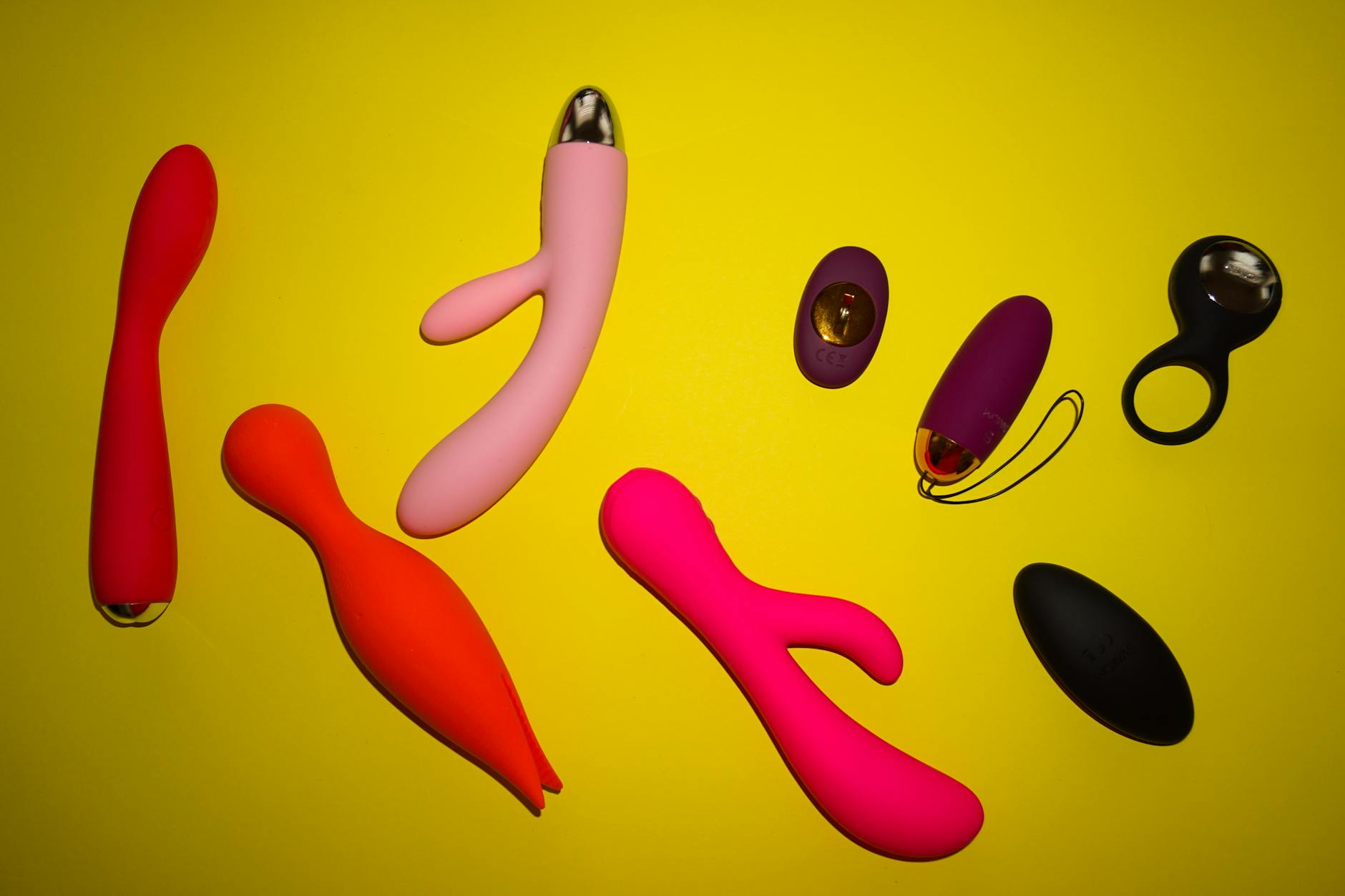
The conversation nobody wants to have (but actually should)
Here's the thing: most people bring a lemon vibrator into a new relationship by accident. It falls out of a drawer. Someone finds it while looking for a phone charger. And then there's that moment of frozen eye contact where nobody knows what to say.
That doesn't have to be your story. You can actually initiate this conversation in a way that feels natural, builds trust, and turns the whole thing into something genuinely exciting instead of mortifying.
Why the conversation matters way more than the toy
I work with couples navigating midlife transitions and relationship rebuilds all the time. One consistent pattern: the couples who communicate about pleasure directly are the ones who stay connected. The ones who avoid the topic? They drift.
Introducing a lemon vibrator isn't really about the toy. It's about signaling to your partner that you want to keep exploring, that you trust them with your desires, and that you believe they're mature enough to have a real conversation about sex. Those three things matter infinitely more than whether they think the device is cute.
So before you even pull out the lemon clitoral vibrator, get the conversation right.
How to actually bring it up
Don't do it during sex. Don't do it during conflict. Don't do it as a solution to a problem ("our sex life needs this"). Do it during a calm moment when you're both relaxed and there's no performance pressure.
The opener matters. Try something like: "I've been thinking about something I want to explore with you, and I want to talk about it before we do anything. Cool?" That signals intention without ambush.
Then be specific and honest. "I have a lemon vibrator I really enjoy. I'd like to try using it together, but only if you're into it. I know toys aren't for everyone, and that's totally fine." The specificity defuses shame. You're not being cryptic. You're being straightforward.
His reaction will tell you things. If he's defensive, that's information. If he's curious, that's different information. If he needs time to think about it, that's also fine. Don't need him to decide right now.
What to actually do the first time
If he's interested, plan it. Don't just surprise him mid-session with the Hello Nancy lemon vibrator. That's how people get startled and resentful.
Start with exploration, not integration. Sit together, show him what it looks like, explain what it does. Some partners want to hold it. Some want to watch you use it solo first. Some want to help you explore what feels good. All of these are normal entry points.
Here's the rhythm I recommend for lemon vibrators the first time together:
First five minutes: You guide. You show him how you use it. Where you like pressure. Which intensity levels feel good. This teaches him about your body in a way that's honest and direct.
Next five to ten minutes: Invite his hands into the experience. He can hold the vibrator while you direct. Or hold your hand while you hold it. Or just watch while you explore. The physical contact matters more than the toy right now.
Then: Let the experience unfold. Some partners want to incorporate it into partnered sex. Some want to keep it as a solo thing they experience together. Both are fine. The point is you're not forcing an outcome. You're discovering what you both want.
A practical note: water-based lubricant makes lemon vibrators feel better. It reduces friction and intensifies sensation. If this is his first time watching or participating, the quality of the experience matters. Use good lube.
The vulnerability piece (honestly the hardest part)
Introducing a lemon clitoral vibrator means letting your partner see you pursue pleasure unapologetically. That's vulnerable. You're saying: "This is what I want. This is what feels good to me. I'm not hiding this."
Some partners find that hot. Some find it threatening. Some need processing time.
If he responds with jealousy or insecurity, don't roll your eyes. That's real. He might be worried the toy replaces him. He might have been taught that needing anything beyond basic partnered sex means something's wrong. He might feel inadequate.
None of that is your problem to solve, but it is useful information. A sentence that helps: "The vibrator doesn't replace you. It's a tool that helps me feel good. You matter separately from that." Then give him space. You can't convince someone into comfort. They either get there or they don't.
When to introduce it into partnered sex
Not the first time. Maybe not the third time. The timing is individual.
Some signs it might be ready:
He's asked questions about it. He's seemed curious rather than competitive. You've used it solo in front of him and he's stayed engaged. He's indicated openness ("maybe sometime" or "I'm not sure but I want to try").
When it does happen, you lead. You tell him what you want. "I'd love if you used this on me while we're close" or "I want to use this while you're inside me, if that works for you." Specific. Not vague.
The first time will probably feel a bit awkward. That's normal. Devices take coordination. Angles shift. Sometimes it's distracting in a not-great way. Give it a few tries before you decide whether it actually works for partnered sex.
Some couples love it. Some discover they prefer lemon vibrators as a solo experience. Both are valid. The tool serves you. You don't serve the tool.
What to do if he says no
Respect it. Really respect it.
You get to have a lemon vibrator. You get to use it solo. You don't get to force him to participate. If it's a hard dealbreaker for him and you need partnered use of toys to feel satisfied, that's important incompatibility information. But most of the time, people need time.
Give him six months. Bring it up again, gently. "Hey, I know toys aren't your thing, and I respect that. I'm not going to push. But I wanted to check in about whether you'd ever want to explore together."
Or don't bring it up again. You use your lemon vibrator for solo pleasure. He doesn't participate. That's a perfectly functional compromise if the rest of the relationship is solid.
The moment you resent him for not wanting to use a clitoral vibrator is the moment you need to ask whether this relationship is actually meeting your needs. That's the real conversation.
The trust building that happens after
Here's what surprises people: couples who navigate this conversation well develop deeper intimacy. Not because of the toy. Because they've proven they can talk about what they want without shame. They've shown vulnerability and received acceptance (or at least honest feedback).
That skill translates to everything else. Money conversations. Family boundaries. Career stuff. If you can tell your partner "I need this, and here's why" about a lemon vibrator, you can have harder conversations too.
FAQ: Lemon Vibrators and New Relationships
How early in a relationship should I introduce a lemon vibrator?
When the relationship feels stable enough that you're comfortable being vulnerable. For some people, that's three weeks. For others, six months. There's no rule. You'll know when it feels right because you won't feel like you're hiding something.
What if he thinks it means I'm not satisfied with him?
That's his insecurity talking, not reality. Address it directly: "A vibrator doesn't replace you. It's something my body responds to. You matter separately from that." If he can't move past it after that conversation, that's a compatibility issue worth examining.
Should I use lemon vibrators during partnered sex or keep them solo?
Whatever works for you both. Some couples love incorporating them. Others prefer toys for solo pleasure. Neither is better. The key is that you both choose the same approach through conversation, not assumption.
What if I've never used a lemon vibrator before and I want to introduce one to my partner?
Try it solo first. Understand what feels good to you, what intensities work, how it actually feels in your body. Then you can introduce it from a place of knowledge rather than theory. Check out the complete guide to lemon vibrators for solo exploration tips.
Is it better to use a lemon vibrator during foreplay or during sex itself?
Both work, but they feel different. During foreplay, it's usually about building sensation. During penetrative sex, some people love the combined stimulation. Start with foreplay and see what feels natural.
How do I know if my partner is actually okay with it or just pretending?
You'll see it in his body. Real enthusiasm looks like curiosity, questions, eye contact. Pretend okay looks like frozen smiles and quick answers. If you're unsure, ask directly: "Are you genuinely into this, or are you doing it for me?" Honest answers matter way more than comfortable ones.
The actual point of all this
Introducing a lemon vibrator to a new partner isn't about the device. It's about building a relationship where both of you can ask for what you want without shame. It's about proving to each other that you're mature enough to have real conversations about pleasure.
Most couples drift apart because they stop asking. They assume they know what the other person wants. They assume things are fine. Then ten years in, they realize they've been quietly disappointed the whole time.
You're doing the opposite. You're checking in. You're saying out loud: this is what I want, what do you want, how do we both feel good? That conversation, more than any device Hello Nancy makes, is what actually keeps couples connected.
The lemon vibrator is just the catalyst.