
Let's talk about what stress actually does to desire
Stress doesn't kill desire because you stop loving your partner or stop being attracted to them. Stress kills desire because it floods your nervous system with cortisol and adrenaline. Your brain gets a memo: survival mode is on. Pleasure gets deprioritized. Your body literally can't access arousal when it's running a threat response.
I work with couples where one partner says, "I used to want sex all the time. Now I feel nothing." They're not broken. Their nervous system is just stuck in overdrive. The fix isn't therapy or a relationship talk first. It's nervous system recalibration, and Lemon clitoral vibrators are weirdly effective tools for that.
Here's what I've seen happen repeatedly: when someone uses a lemon vibrator consistently during high-stress periods, they're not just getting off. They're telling their brain, "Hey, it's safe to feel pleasure again." That rewiring changes everything.
How stress actually hijacks arousal
When cortisol stays elevated, your body downregulates sexual response. Your vaginal tissue produces less natural lubrication. Blood flow to the clitoris decreases. Your pelvic floor gets tense instead of relaxed. Mentally, you feel numb or irritable, and the thought of sex feels like one more obligation.
This isn't laziness or lost love. This is neurobiology. Chronic stress dampens dopamine and norepinephrine, the neurochemicals that fuel arousal. Your sympathetic nervous system (fight or flight) dominates. Your parasympathetic nervous system (rest and digest, where pleasure lives) gets suppressed.
The cruel part: you might feel guilty about not wanting sex, which stresses you more, which makes desire worse. The cycle compounds.
Why Lemon clitoral vibrators work when stress is high
Three reasons:
First, external stimulation from a lemon vibrator bypasses willpower. You don't have to generate arousal on your own. The vibration does the work. When your nervous system is already drained, this matters. You're not asking your exhausted brain to want something. You're giving your body direct input that says pleasure is possible.
Second, the clitoris has about 8,000 nerve endings concentrated in a small area. Vibration activates those nerves directly and efficiently, creating a fast track to arousal even when your body would normally take 20 minutes to warm up. Under stress, this speed is gold. You go from "I'm too tired" to "okay, I feel something" in minutes instead of struggling for half an hour.
Third, the ritual of using a lemon vibrator becomes a grounding practice. You're creating a small window where you're not problem-solving or managing anyone else. That boundary, repeated regularly, tells your nervous system: "This time is mine. This is safe." That psychological shift rebuilds your capacity for pleasure.
How to actually reintroduce desire when stress has flattened it
Don't start with partnered sex or performance expectations. Start with solo exploration, zero pressure.
Pick a time when you have maybe 30 minutes and you're not running on fumes. Not the 10 minutes before bed when you're already crashing. A weekend morning. A locked bathroom. Whenever you have actual space.
Begin without the vibrator. Lie down, breathe for a minute, and notice what you feel in your body. Not what you think you should feel. What's actually there? Tightness in your chest? Heaviness in your legs? Name it.
Then bring in a lemon vibrator. Start on the lowest setting. The point isn't to chase an orgasm. The point is to remind yourself that sensation still lives in your body. That you can access pleasure even when life feels impossible.
Many people find that just 5 minutes of this, three times a week, starts shifting something. Not dramatically. But the numbness lifts a little. A week later, you notice you think about sex again. Two weeks in, you might actually want it.
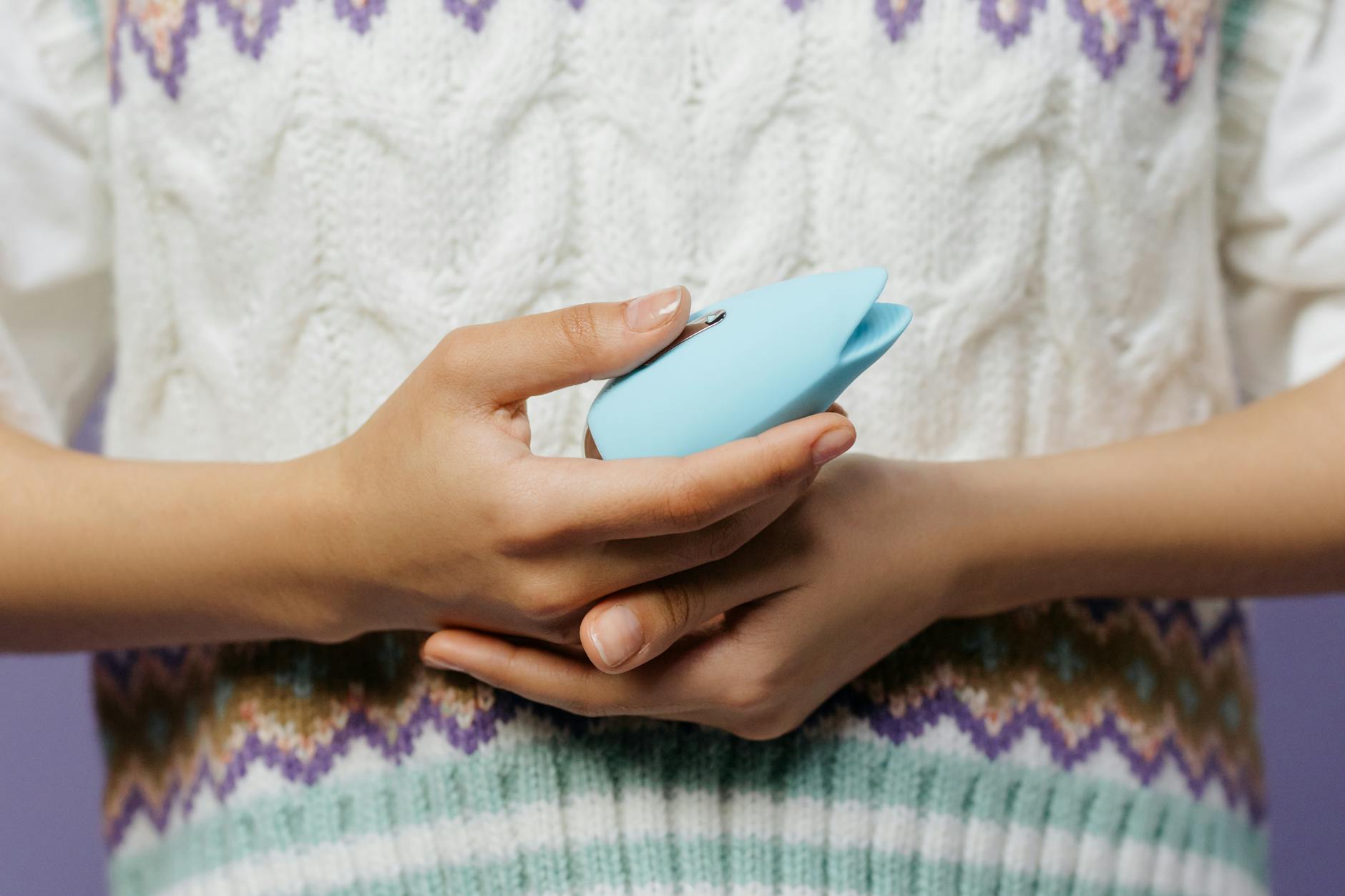
Photo by cottonbro studio on Pexels
The pattern interruption piece
Stress is sticky because your body learns to stay tense. Your nervous system thinks the threat is ongoing. One of the most underrated functions of pleasure is that it's a pattern interrupt. Orgasm, even a small one, is a reset button. Your nervous system gets a jolt that says, "Oh, danger's not here right now. We're safe."n When you use a lemon vibrator during high stress, you're literally breaking the cortisol loop. Each time you have a pleasurable sensation, you're training your body to access a different state. Over weeks, that becomes easier. Your default nervous system baseline starts to shift.
I recommend framing this as stress management, not sex. Because it is. It's as legitimate as meditation or exercise. It's just more enjoyable.
What to do if you want to reintroduce partnered sex
Once you've spent a week or two rebuilding your solo pleasure practice, you can bring a partner in. But don't just hand them your lemon vibrator and expect them to read your mind.
Tell them what's happening. "I've been really stressed and disconnected from pleasure. I'm working on rewiring that. I want you in this, but I need it to feel low-pressure at first." That's it. Clarity removes the awkward guessing.
You might use a lemon vibrator together where they watch or they use it on you. You might use it on yourself while they're nearby. Whatever keeps the pressure off and the focus on sensation.
The key: stress melts faster when you're not also managing your partner's ego or expectations. So be direct. "I need to take this slow. That doesn't mean I don't want you. It means my nervous system needs time." Most partners respect that.
The practical stuff: setting yourself up to actually do this
Stress lives in details. So remove as many details as possible.
Keep your lemon vibrator somewhere accessible, not hidden in a drawer under three other things. Keep it charged. If you're using water-based lubricant (which works best with silicone toys), have it nearby so you don't have to hunt for it.
Pick the same time each week if you can. Routine reduces decision fatigue. Wednesday evening, Saturday morning, whatever. Your nervous system loves predictability.
Start with the lower settings on your lemon vibrator. When stress is high, sensitivity often increases. You don't need intensity. You need consistency.
If nothing happens the first few times, that's normal. You're retraining a system that's been offline. Patience is the active ingredient here.
When to bring in other support
If stress is coming from a relationship issue, a vibrator isn't the answer. If your partner is causing the stress, pleasure practice might help you feel more connected to yourself, but you probably need to talk about the actual problem too. Consider How to Use Lemon Vibrators When Communication Feels Impossible if that's your situation.
If stress is tied to untreated anxiety or depression, same thing. A lemon vibrator is a good tool, but it's not therapy. Talk to someone.
If you're under so much stress that even 30 minutes alone feels impossible, that's the bigger issue to address first. You might need to carve out that time before pleasure practice makes sense.
FAQ: stress, desire, and Lemon vibrators
How long before my desire comes back if I use a Lemon vibrator regularly?
It varies. Some people feel a shift in a week. Others take a month. Nervous system rewiring isn't fast, but it's surprisingly reliable. The key is consistency, not intensity. Three 10-minute sessions beat one desperate 45-minute marathon.
Can stress actually cause permanent damage to my libido?
No. Desire is suppressed by chronic stress, but it's not destroyed. Once stress decreases and you start reconnecting your body to pleasure, arousal returns. I've seen people who thought they'd lost desire forever get it back within weeks of starting a regular practice.
Is it weird to use a vibrator just for stress relief and not to orgasm?
Not at all. Some days you'll orgasm. Some days you'll just enjoy sensation. Both are worthwhile. The goal isn't performance. The goal is nervous system regulation.
If I use a lemon vibrator while stressed, am I just masking the real problem?
No, you're healing it. Stress management is part of the solution. So is addressing the source of stress if you can. A good vibrator plus problem-solving plus sometimes therapy is the full picture. Use a vibrator as one tool, not the only tool.
What if my partner doesn't understand why I need solo pleasure practice during a stressful time?
Tell them this: "I'm not avoiding you. I'm recalibrating my nervous system so I can actually show up for us again. This helps me." Most partners get it once they understand it's not about them. If they don't, that's a separate conversation.
Does the type of Lemon vibrator matter when stress is high?
Lower settings and shorter sessions work better. The suction design of clitoral vibrators like the Lem works beautifully for stressed bodies because it doesn't require intense friction. It's gentler, faster, and feels safer to bodies in threat mode.
What comes next
Stress will always exist. But your capacity for pleasure doesn't have to shrink with it. When you use a lemon vibrator regularly, especially during high-stress periods, you're protecting something important: your ability to feel good. Your nervous system learns that even in chaos, you can access rest, safety, and sensation.
That's not frivolous. That's survival.
If stress is also affecting your relationship or you're struggling to reconnect with a partner, reaching out for support matters. Get in touch if you want to talk through what's happening.